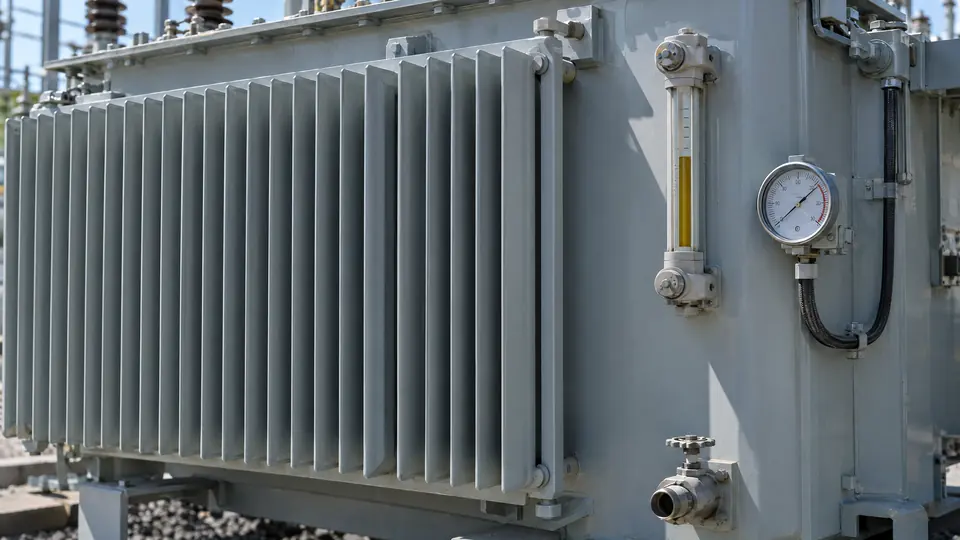
An oil filled transformer buyer for single units or whole lots
We buy oil-filled transformers of any brand, from individual units left over after a project to whole lots removed from service. That includes new equipment in crates, working transformers, retired assets and failed units. The typical range for this equipment runs from 25 kVA to large power transformers rated 100 MVA or more.
Our yard and office are at 6402 McGrew St, Houston, TX 77087, and we buy from sellers anywhere in Texas. Tell us what you have and where it sits, whether it is on a concrete pad, inside a substation, in storage or at a project staging area.
To sell an oil filled transformer, start with clear photos rather than a long equipment inventory. A readable nameplate and a few views of the tank, connections and accessories give us a useful starting point. You can request an offer on your transformer, call or text (951) 403-5738, or email Industrial832@gmail.com.
Oil-filled transformers sizes we buy
How to identify a liquid-filled transformer
A liquid-filled transformer has windings immersed in insulating fluid, which provides electrical insulation and carries heat away from the windings. The fluid may be mineral oil, natural ester made from vegetable-based material, or silicone. Unlike a dry-type transformer, it has a liquid-containing tank rather than windings cooled directly by air.
Look for the liquid designation, fluid capacity in gallons and equipment weights on the nameplate. A mineral oil transformer and an FR3 natural ester transformer may serve similar electrical applications, but the fluid identity is important information for the buyer. Photograph the actual fluid markings instead of identifying the liquid from appearance alone.
Liquid-filled describes the insulating medium, not the installation style. The category includes pole-mount, padmount, substation and power transformers. Cabinet-enclosed padmount transformers commonly have cable compartments, while larger substation transformers may have exposed bushings, radiators and separate cooling equipment.
Include photos of connection compartments if they can be accessed safely by qualified personnel. Dead-front means the energized connection surfaces are shielded; loop-feed describes a connection arrangement that lets a distribution circuit continue through the installation. Those details help identify the configuration, but they do not replace nameplate ratings.
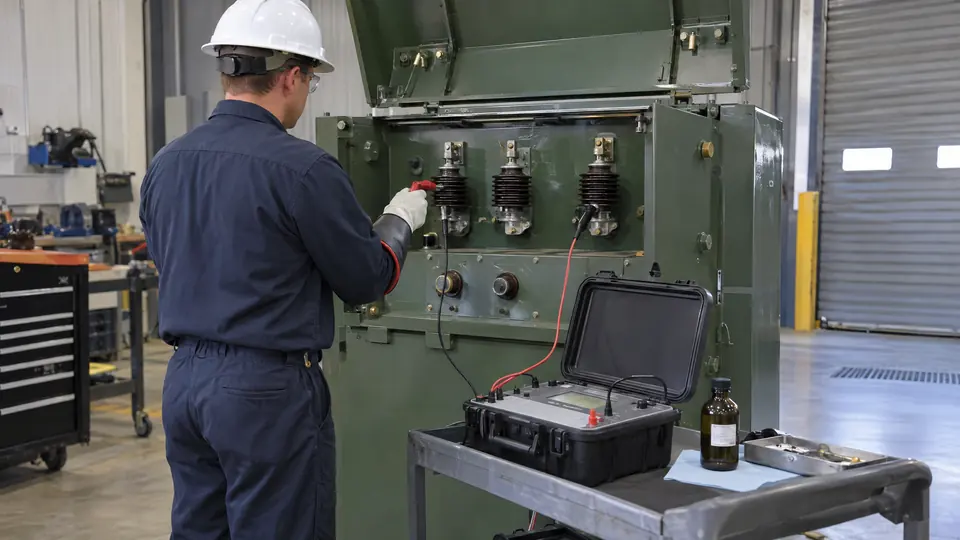
Sizes, voltages and configurations we buy
We buy small distribution units as well as large industrial and utility equipment. Ratings in kVA, or kilovolt-amperes, and MVA, or megavolt-amperes, describe apparent power capacity; 1 MVA equals 1,000 kVA. Send the rating exactly as shown, including multiple ratings associated with different cooling stages.
Common project sizes include 500 kVA transformers, 1500 kVA units, 2500 kVA units and 5000 kVA, or 5 MVA, transformers. We also buy 10 MVA equipment and larger units. Do not rule out a transformer because its rating falls between those sizes.
Primary voltage is the rated voltage on the incoming side, and secondary voltage is the rated voltage supplied on the outgoing side. We need both, along with phase, frequency and tap information when available. A capacity rating alone does not tell us whether a transformer fits another installation.
Large power transformers may list ONAN and ONAF ratings. These mean oil natural, air natural cooling and oil natural, air forced cooling, respectively. Photograph the full rating table and note whether the fans, controls and radiators are included.
New surplus, used, retired and failed equipment
New surplus can come from a canceled project, a changed specification or an unused spare. Send crate markings and storage photos along with the nameplate. Explain whether the transformer has ever been installed or energized, and identify any parts stored separately.
Used oil transformers may be available after a plant upgrade, service change or equipment replacement. Tell us whether the unit was working when removed and why it came out of service. Retired does not necessarily mean failed, so distinguish a planned replacement from an electrical fault.
We also buy failed equipment. Describe known problems plainly, including blown fuses, damaged bushings, missing elbows, leaks or a suspected internal fault. Photos of rusted radiators, damaged cabinets and low liquid-level indicators help us evaluate both the equipment and its transport requirements.
Do not energize or operate a questionable unit just to demonstrate its condition. Existing operating records, inspection notes and test reports are more useful than an unsupported claim that it should work. If the failure cause is unknown, say so.
Texas facilities and projects that sell these units
Facility owners and plant managers may have transformers available after production changes, capacity upgrades or site closures. Electrical contractors and project managers may have surplus from revised designs or equipment removed during replacement work. Utility and co-op staff may be handling retired distribution units or stored spares.
Developers can have equipment left after a service redesign, while oilfield operators may have units from relocated or retired facilities. These situations can involve one transformer or a mixed lot with different ratings and conditions. Identify each unit separately so the offer reflects what is actually available.
We buy statewide, including from sellers in Pasadena, Baytown, Deer Park, La Porte, Texas City and Freeport. Corpus Christi and Victoria sellers can send the same information for an offer. Our Houston location does not require you to deliver the transformer; we coordinate trucking and pickup with the seller.
If removal is tied to a shutdown, demolition schedule or property handover, include that constraint in your first message. Also tell us whether the transformer is still installed or has already been moved to storage. That helps us discuss a workable load-out plan.
What drives the offer
As a liquid filled transformer buyer, we evaluate capacity, primary and secondary voltages, age, brand and configuration together. Impedance, the transformer's opposition to current flow, is another nameplate detail that matters when assessing suitability. Accessories, quantity and the completeness of each unit also affect the evaluation.
Available test records help establish condition. Oil quality tests measure properties such as dielectric strength, moisture and acidity. Dissolved gas analysis, or DGA, measures gases in the insulating liquid that can indicate internal overheating or electrical faults; send existing reports with their dates.
PCB status is important. PCB means polychlorinated biphenyls, substances associated with some older insulating liquids. Photograph non-PCB labels and provide oil test results when available; do not assume that age, color or a general equipment description confirms the status.
Location and load-out access also affect the offer. A complete unit accessible to lifting equipment presents different transport requirements from one behind restricted gates or inside an operating facility. For more context on these factors, read our guide to used transformer value.
Exactly what to send for a quote
Send one organized message with the following details. For a lot, label the photos by unit so we can match each nameplate to the correct transformer.
- A readable nameplate photo showing kVA or MVA, primary and secondary voltages, brand, serial number, liquid type, gallons and listed weights.
- Overall photos from several sides, plus views of bushings, cable compartments, radiators, gauges, labels and any visible damage.
- Quantity and condition for each unit: new surplus, used working, retired or failed, with known problems and the reason for removal.
- The Texas pickup location, whether equipment is installed or disconnected, and access details such as gates, overhead restrictions and available lifting equipment.
- Existing oil tests, electrical test reports, PCB documentation and a list of included or missing accessories, plus any removal deadline.
Pickup, freight and written terms
We evaluate your details and respond with an offer. Nothing is loaded until the price, payment terms and pickup plan are confirmed in writing. As your oil filled transformer buyer, we coordinate freight and load-out with you rather than leaving transportation details unresolved.
Disconnection and de-energizing stay with the seller or the seller's qualified electrical contractor. Tell us the readiness date and who will handle lifting or loading so responsibilities can be included in the plan.
Shipping arrangements depend on weight, dimensions, fluid condition and access. Leaks, rusted radiators or low liquid level can affect how the transformer is shipped. Report those conditions before pickup planning, and provide nameplate weights rather than estimating from the tank's appearance.
Frequently asked questions
Do you buy transformers with blown fuses or missing elbows?
Yes, we buy failed and incomplete units. Identify the affected fuses or missing cable elbows and send photos. Include any known fault history, because a blown fuse alone does not establish the condition of the windings.
Can I sell a unit without test reports?
Yes. Send the nameplate, overall photos and an accurate condition description. Existing reports help us evaluate the equipment, but you can submit a unit for an offer without them. Tell us what is known and what has not been tested.
How heavy is an oil-filled transformer?
Weight varies substantially with rating, design, liquid volume and accessories. Use the nameplate's total weight and any listed shipping weight, and photograph both. Note separately stored radiators or other components so freight planning accounts for the complete shipment.
Do you buy a transformer that is leaking?
Yes. Send close-up photos, describe the leak location and include any liquid-level reading available. Leaks affect value and transport planning, so disclose them with the initial equipment details.
Do I need to bring the transformer to Houston?
No. We buy across Texas and coordinate trucking and pickup with the seller. Provide the equipment location, access information and available loading arrangements so we can agree on pickup details before loading.