- Send detailsNameplate photo, overall photos, quantity, condition and location by text, email or the offer form.
- We reviewWe check ratings, voltages, condition and load-out access and ask any follow-up questions.
- Written offerPrice, payment terms and pickup details are agreed in writing before anything is loaded.
- PickupYour qualified electrician de-energizes and disconnects; we coordinate trucking and load-out anywhere in Texas.
How selling a transformer works for your equipment
We buy single transformers and whole lots, any brand, from 10 kVA pole-mounted units to large MVA substation and power transformers. kVA and MVA are ratings that describe a transformer's electrical capacity. Equipment can be new in its crate, used and working, retired from service or failed.
The process to sell a used transformer starts with identifying what you have and where it sits. A unit still connected at a plant needs different preparation from one stored on a pallet. See the transformer types we buy, then gather the details below.
Our office and yard sit at 6402 McGrew St, Houston, TX 77087. We buy statewide and coordinate trucking and pickup with sellers.
Send photos and the basic equipment details
Call or text (951) 403-5738, email Industrial832@gmail.com, or request an offer for your transformer. Send a readable nameplate photo, overall photos, quantity, location and condition. For a lot, identify each unit so its photos and specifications stay together.
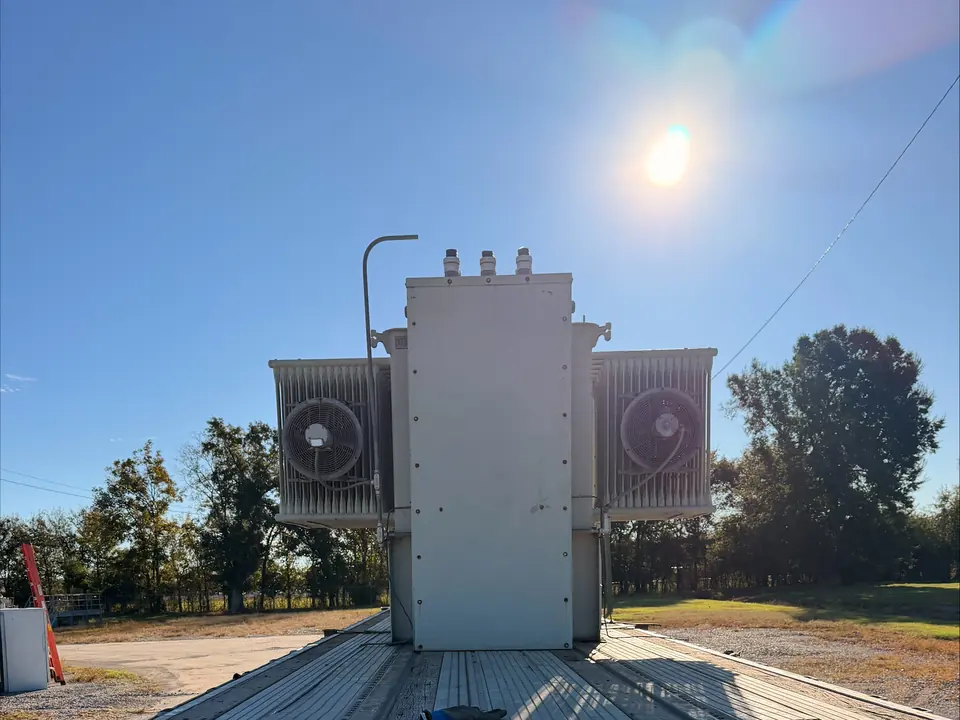
Photograph the complete unit from several sides, including its connections, cooling equipment and visible damage. The nameplate should show the capacity, primary and secondary voltage—the incoming and outgoing voltage ratings—and other specifications. Use the transformer photo checklist to organize your pictures.
Tell us whether the transformer is connected, disconnected, stored indoors or outdoors, and accessible to loading equipment. Describe what you know about its condition rather than guessing. If it failed, include the reported problem and any available inspection or test records.
Discuss the equipment and answer follow-up questions
We assess the information you send and ask questions where details are missing or unclear. A readable nameplate helps distinguish units that look similar but have different electrical specifications. If a plate is damaged, send close-up photos and any existing equipment records.
For used equipment, useful records may include maintenance history, electrical test reports and oil test results. DGA, or dissolved gas analysis, measures gases in transformer oil that can help indicate internal problems. Share existing reports if you have them; photos alone do not establish operating condition.
For oil-filled equipment, include available PCB labels or test documentation. PCB means polychlorinated biphenyls, substances associated with some older electrical equipment. The guide to PCB labels and oil testing explains what information to gather without assuming that an unreadable label proves anything.
Receive and check the written offer
After assessing the details, we respond with an offer. Check that it identifies the equipment being sold, including the quantity and any accessories included with it. For multiple units, make sure both sides understand whether the offer covers the entire lot or selected transformers.
The transformer buyer process should leave no uncertainty about what changes hands. Note whether loose components, spare parts, radiators or other associated items are included. If something shown in a photo is not part of the sale, identify it before accepting the offer.
Capacity, voltage ratings, condition and completeness are useful details when discussing an offer. For more context, read what can affect a used transformer's value. Keep the offer with your equipment list so you can compare its scope against what is actually available.
Agree on terms and coordinate the pickup schedule
Price, payment terms and pickup details are agreed in writing before anything is loaded. Discuss those terms together, rather than treating the pickup arrangement as a separate conversation. Confirm the equipment, pickup address, site contact and any access restrictions.
For transformer pickup in Texas, tell us about gate hours, truck access, site check-in rules and required appointments. Mention narrow entrances, overhead obstructions, soft ground or a loading area shared with other operations. These details help coordinate trucking around the actual site conditions.
Agree on who will provide the loading equipment and how the transformer will reach the truck. If removal depends on an outage, contractor work or project milestone, explain that dependency while scheduling. Avoid setting a pickup date based on preparation that has not yet been arranged.
Have your qualified electrician disconnect and prepare it
The seller or the seller's qualified electrical contractor must de-energize and disconnect the transformer. Texas Transformer Buyers coordinates freight and load-out with the seller; electrical disconnection remains the seller's responsibility. Plan that work before the truck arrives.
Have your qualified electrician address the site's isolation, verification and disconnection requirements. Tell the contractor which equipment and accessories are included in the sale so preparation does not separate items that need to travel together. Keep the loading area clear of unrelated equipment and materials.
Once preparation is complete, send updated photos if the condition or configuration has changed. Report newly discovered damage, missing components or leaks before pickup. That keeps the written agreement aligned with the equipment being released and gives everyone a chance to resolve questions before loading.
Coordinate load-out and freight
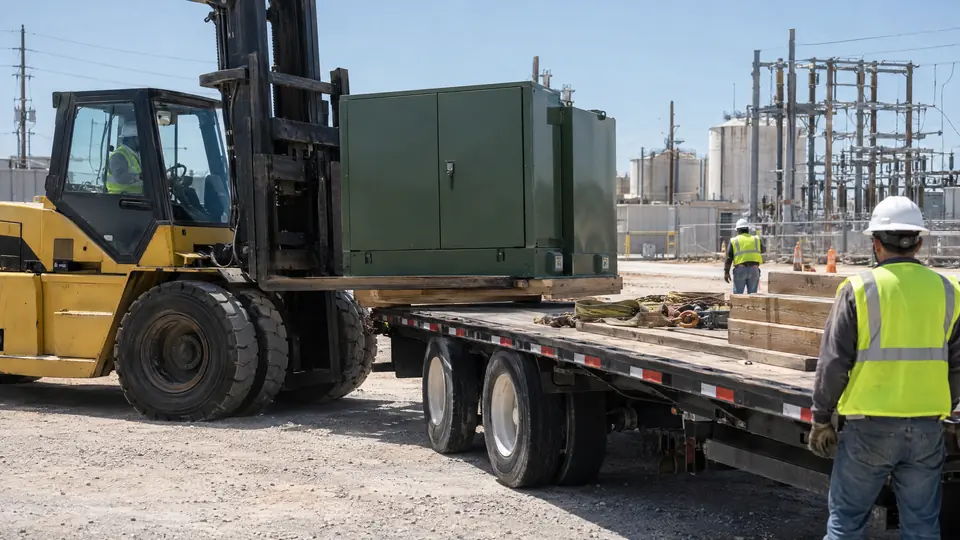
We coordinate freight and load-out with the seller using the agreed pickup details. Provide available dimensions and weight information, noting whether figures come from the nameplate, drawings or another source. Do not estimate a heavy unit's weight solely from its appearance.
Identify the route from the storage position to the loading area. Share photos showing doors, gates, overhead clearance and the space available for loading equipment. A transformer inside a building or behind other equipment may require additional site preparation.
Use the Texas transformer moving and shipping guide to plan the information needed for freight. At pickup, have the agreed site contact available to identify the units and coordinate access. Check that the equipment being loaded matches the written sale agreement, especially when similar units remain onsite.
Follow the agreed payment terms and retain paperwork
Payment follows the terms agreed in writing before loading. Confirm the payment method, timing and any documents needed to complete the transaction before pickup day. If your organization has purchasing, accounting or asset-release requirements, raise them while the agreement is being finalized.
Keep copies of the written offer, accepted terms and applicable pickup or freight documents. Record which units left the site, using serial numbers where available. For a whole lot, a checked equipment list can help reconcile the sale with your internal asset records.
Understanding how selling a transformer works means keeping equipment details, site preparation and commercial terms connected throughout the sale. Start with clear photos and an accurate description, then confirm the remaining details in writing.
Frequently asked questions
Can I sell a transformer that is still connected?
Yes, you can send details while it is still connected. Explain its current status and any planned outage. Your qualified electrical contractor must de-energize and disconnect it before pickup, and the schedule needs to account for that work.
Do you buy failed transformers or only working units?
We buy working and failed transformers, as well as new surplus and retired equipment. Describe the known failure and send available records. Include photos of visible damage so the assessment reflects the unit's actual condition.
What if I have several transformers with different ratings?
Send a separate nameplate photo for each unit and label the photos to match your equipment list. Include each unit's condition and location. We buy single units or whole lots, so identify which equipment you want included.
Do I need to move the transformer to Houston?
We buy from sellers anywhere in Texas and coordinate trucking and pickup. Send the equipment's current location and describe access to it. Loading arrangements and freight details are agreed with you before anything is loaded.
When are payment terms decided?
Payment terms are agreed in writing along with the price and pickup details before loading. Confirm those terms before accepting the arrangement. Tell us about any internal paperwork requirements so they can be addressed during coordination.