How to use this selling a transformer FAQ
Start with the questions that match your equipment and project: identification, condition, oil records or moving requirements. You do not need a complete maintenance file to start the conversation. Clear photos and an accurate description give us a practical starting point.
Use this selling a transformer FAQ to prepare your information, then see the steps from equipment assessment to pickup. For a facility shutdown or equipment replacement, flag your access restrictions and removal schedule when you first contact us.
Send the details needed for an offer
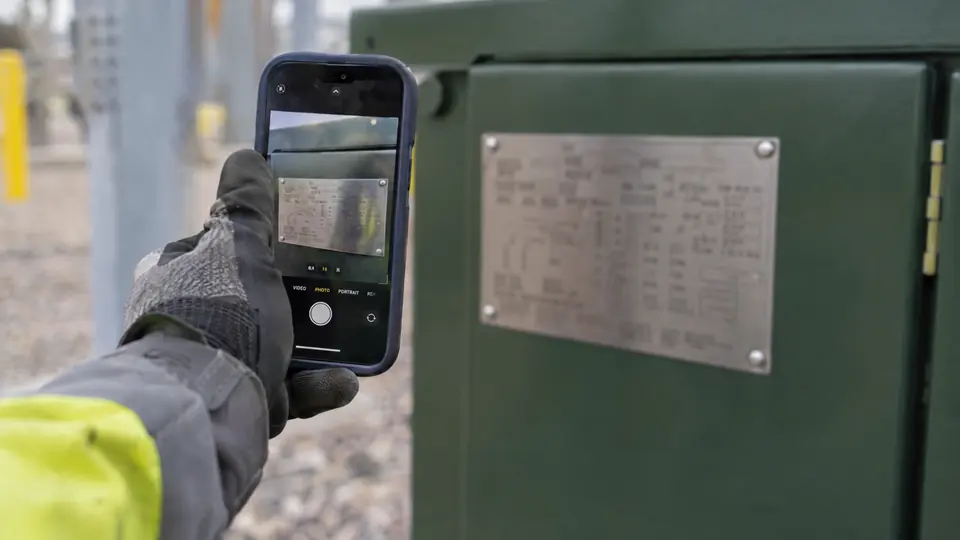
Send a readable nameplate photo, overall photos, quantity, location and condition. Call or text (951) 403-5738, email Industrial832@gmail.com, or request an offer for your transformer. Tell us whether the equipment is still connected and whether anything affects access or loading.
Once we have reviewed the details, we respond with an offer. We confirm the price, how payment is made and the pickup arrangements in writing before loading starts. The seller or the seller’s qualified electrical contractor must de-energize and disconnect the equipment; we coordinate trucking and load-out with the seller.
Seller questions and answers
What types of transformers do you buy?
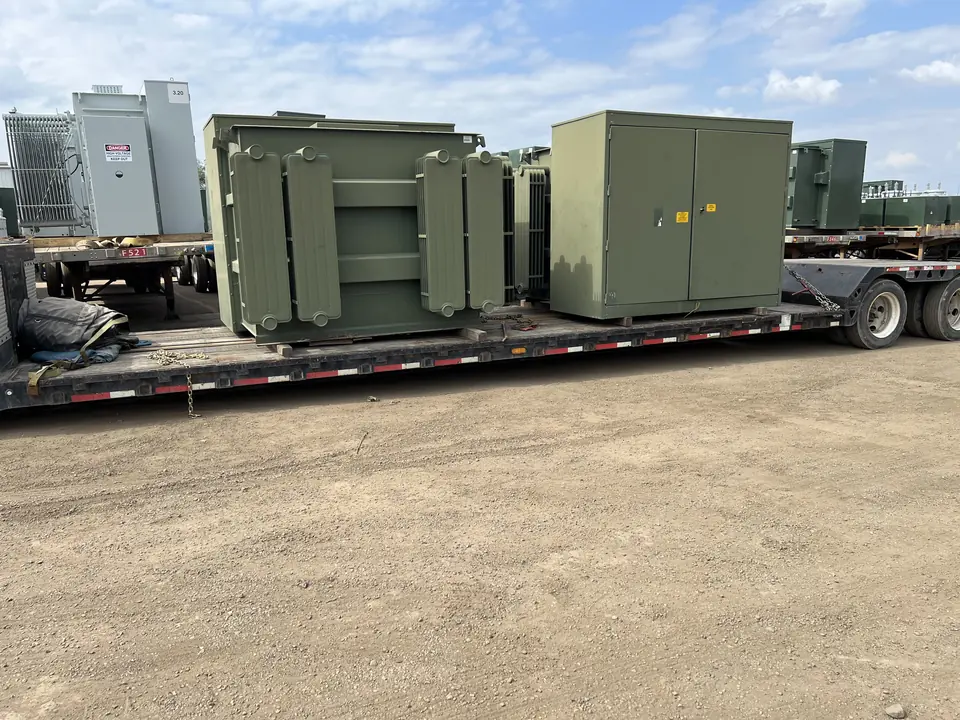
We buy new surplus, used, retired and failed electrical transformers, including pole-mount, padmount, substation and power transformers. Single units and complete lots are welcome. Start with photos rather than trying to decide whether your equipment belongs in a particular category. Include the nameplate, the full unit and any visible damage, along with its location and current condition. That gives us the information needed to assess what you have.
What transformer sizes will you consider?
We buy equipment from 10 kVA pole-mount transformers to large MVA substation and power transformers. kVA means kilovolt-amperes, and MVA means megavolt-amperes; both describe the transformer’s rated capacity. Send the rating shown on the nameplate rather than estimating from the enclosure size. Our transformer size information can help you identify the rating. For units with several cooling ratings, photograph the full plate so those differences are visible.
Does a transformer need to be working to sell it?
No. We buy working equipment as well as used, retired and failed transformers. Describe the condition as accurately as you can: operating when removed, stored without testing, damaged or known to have failed. If you do not know its operating history, say that instead of calling it functional. Include storage conditions and visible problems, such as leaks, broken bushings or missing parts, so the assessment reflects the actual equipment.
Do you buy transformers from any manufacturer?
Yes, we buy any brand. The manufacturer’s name is useful for identification, but it is only one part of the equipment details. Capacity, voltage, configuration, condition and available records also help describe the unit. Photograph the manufacturer’s nameplate and any separate accessory plates. If the brand is unreadable or unknown, send the photos you have and point out which markings can still be read.
Can I sell a transformer that failed in service?
Yes. Failed transformers are within the equipment we buy, so a failure does not automatically rule out an offer. Explain what happened and what is known: an internal fault, overheating, a damaged bushing or a unit that stopped operating for an unknown reason. Send any existing inspection or test records with the photos. Do not energize damaged equipment to demonstrate its condition; report the information already available.
What should I tell you about PCB labels or records?
PCB means polychlorinated biphenyls, substances historically used in some electrical insulating fluids. Photograph any PCB-related label and send existing oil analysis or documentation identifying the fluid. A missing or unreadable label should be reported, not treated as proof of PCB status. Our guide to PCB labels and transformer oil testing explains what information to look for. Any unresolved oil-status questions should be addressed when discussing the equipment and pickup.
Do I need oil testing before asking for an offer?
Start by sending the equipment details and any oil test results you already have. Do not arrange new testing solely on the assumption that every sale requires it; the information needed depends on the unit and its records. If available, include DGA, or dissolved gas analysis, which measures gases in insulating oil to help assess internal conditions. Keep the report date and equipment identification attached so results can be matched to the transformer.
Which nameplate details matter most?
Send a clear image of the entire nameplate. Important details include rated capacity, primary and secondary voltage—the incoming and outgoing voltage ratings—and impedance, a characteristic that affects voltage drop and fault current. Include serial numbers, manufacturing dates and cooling ratings where shown. ONAN/ONAF identifies natural oil circulation with natural or forced-air cooling. A full photo is better than a partial transcription because it preserves configuration details that may otherwise be missed.
What photos should I send besides the nameplate?
Include overall views from several sides, the connection areas where safely accessible, and close-ups of damage, leaks or missing components. Show the surrounding space if access or loading could be difficult. For padmount units, identify dead-front construction, which uses insulated cable connections, and loop-feed arrangements, which allow incoming and outgoing primary cables. Use our transformer photo checklist to organize the images. Do not open energized compartments for photographs.
How do you make an offer on a transformer?
We assess the nameplate, overall photos, quantity, location and condition, then respond with an offer. Accurate details matter because two units with similar capacities can have different voltages, configurations, histories and removal requirements. Tell us about missing components or known damage at the outset. For background on the equipment details relevant to valuation, read what affects a used transformer’s value. The written agreement establishes the price for the sale.
How are price and payment terms confirmed?
Price, payment terms and pickup details are agreed in writing before anything is loaded. Make sure the agreement identifies the equipment or lot being sold and clearly states the payment arrangement you have discussed. Do not assume a payment method or timing based on a previous equipment sale. Raise any purchasing, accounting or release requirements during the offer conversation so they can be addressed before the load-out is arranged.
Do you coordinate transformer pickup?
Yes. We coordinate trucking and pickup for sellers across Texas, with pickup details agreed in writing before loading. Provide the exact equipment location, site contact and any gate, delivery-hour or vehicle-access restrictions. Let us know whether the unit is outdoors, inside a building or behind other equipment. Photos of the access route help describe the site. Coordinate your removal schedule with the pickup plan rather than assuming a truck can arrive without preparation.
Who handles rigging and loading arrangements?
We coordinate load-out with the seller. Describe the unit’s dimensions, listed weight, position and available lifting access so the loading requirements can be discussed. If your site has a crane, forklift or rigging contractor available, provide that information without assuming it is suitable for the lift. Identify obstacles such as overhead structures, soft ground or limited clearance. Responsibilities and pickup details need to be settled before equipment is loaded.
What information is needed to arrange freight?
Freight planning starts with the pickup address, equipment quantity, dimensions, weight and loading conditions. Send shipping drawings or weight markings if available, and identify loose accessories or separate crates that belong with the transformer. Tell us about narrow entrances or site rules affecting truck access. Our guide to moving transformers in Texas outlines useful planning information. We coordinate the trucking with the seller using the agreed pickup details.
Who must de-energize and disconnect the transformer?
De-energizing and disconnecting the transformer is handled by the seller or the seller's qualified electrical contractor. We coordinate freight and load-out, not the electrical disconnection. If the transformer is still serving a facility, tell us its current status and your planned outage or replacement schedule. Electrical isolation and release for removal should be coordinated through the responsible site personnel so pickup planning reflects when the equipment will actually be available.
Where are you based, and do you buy throughout Texas?
Texas Transformer Buyers is based at 6402 McGrew St, Houston, TX 77087. We buy transformers from sellers anywhere in Texas and coordinate trucking and pickup. Your equipment does not need to be located in Houston for you to request an offer. Send the city and exact site location with your photos. Our Texas service-area information provides statewide context; access and loading details are discussed for the individual site.
Can I sell one transformer or an entire lot?
We buy single units and whole lots. For multiple transformers, provide the total quantity and keep each unit’s nameplate photo connected to its overall photos and condition notes. A simple inventory with your own identifying labels can prevent confusion when units look alike. Explain whether all equipment is at one site or spread across several locations. Also identify any accessories included with the lot and any units excluded from the sale.
Do you buy new surplus transformers still in crates?
Yes. We buy new surplus transformers, including units still in their crates. Send readable nameplate information, photos of the crate and any available equipment photos or shipping documents. Describe how the unit has been stored and whether the packaging has been opened or damaged. If the nameplate is inaccessible, send the documentation you have and explain that limitation. Keep accessories and related records identified with the correct transformer.
Should I sell my transformer for resale or as scrap?
Do not decide solely from age or appearance. A complete used transformer and a heavily damaged unit may warrant different evaluations, and the nameplate and condition provide a better starting point than a rough weight estimate. We buy working and failed equipment, so send the details before removing parts. Our comparison of transformer scrap and resale value explains the distinction. Describe exactly what remains with the unit being offered.
Will you consider a storm-damaged transformer?
Yes, damaged and failed transformers are within what we buy. Describe the storm damage specifically, including flooding, impact damage, displaced equipment or damaged connections, and send photos taken from a safe location. Report any known leaks and whether the equipment has been inspected since the event. Avoid labeling a flooded or damaged unit as working without supporting information. Include site-access problems caused by the storm when discussing removal and pickup.
What documentation should I gather for the sale?
Gather available nameplate information, equipment inventories, maintenance records, test reports, oil records and shipping drawings. For surplus equipment, include purchase or packing documents if they help identify the unit and included accessories. Tell us who is authorized to approve the sale and whether your organization requires specific release paperwork. Missing records do not prevent an initial conversation; clearly distinguish documented information from assumptions and keep each record matched to its equipment.
What is the best way to contact you about my transformer?
Call or text (951) 403-5738, email Industrial832@gmail.com, or use the offer form on this website. Send the nameplate photo, overall photos, quantity, location and condition together when possible. Add your contact information and explain any removal deadline or access restriction. If you have several units, use consistent labels across the photos and inventory. We assess the details and respond with an offer, then agree on terms before loading.