A new surplus transformer buyer for unused equipment
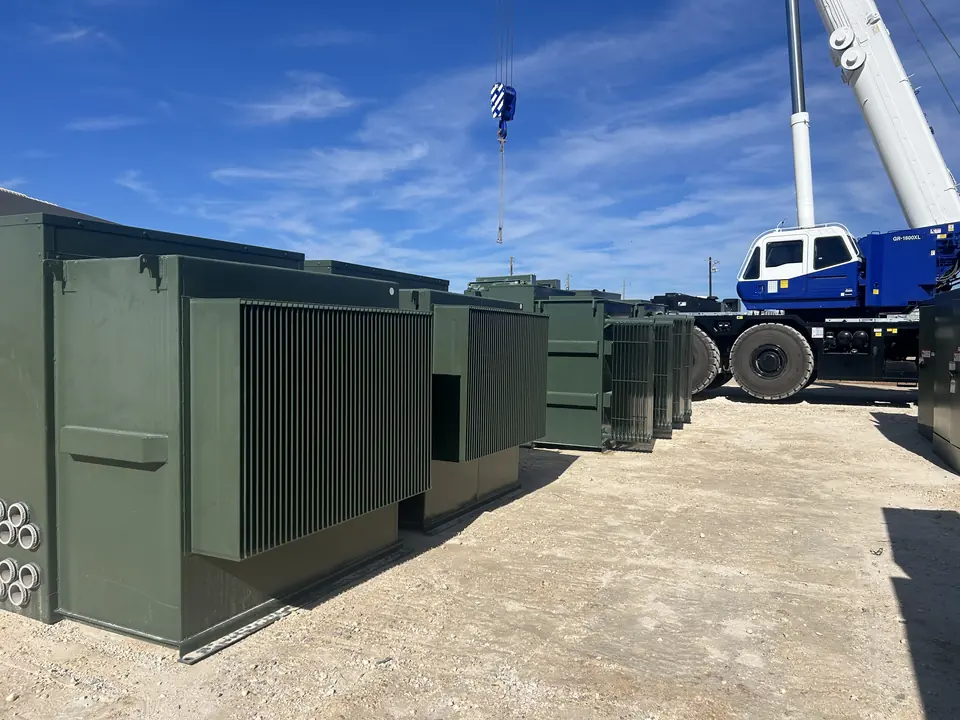
We buy never-energized transformers that no longer have a place in your project or inventory. The typical new surplus range we buy is 15 kVA to 20 MVA, from smaller distribution units to large power transformers. We consider single units and whole lots, any brand, whether still in a factory crate or already unpacked.
New surplus describes a transformer's history, not its enclosure or installation style. A padmount, dry-type or substation transformer can be new surplus if it has never been energized. Equipment that was installed and operated is used, even if it ran briefly or looks nearly new.
Tell us whether the unit has ever been energized, installed, connected or stored outdoors. A transformer removed from its crate but never connected may still be unused equipment. Original paperwork, factory test reports, intact crating and a clear storage history help establish its condition and raise its value.
New surplus transformers sizes we buy
Sizes, voltages and transformer configurations we buy
Send the actual rating from the nameplate rather than estimating from cabinet size. kVA means kilovolt-amperes, a measure of electrical capacity; MVA means megavolt-amperes, with 1 MVA equal to 1,000 kVA. Common project leftovers include 75, 500, 1500, 2500 and 3000 kVA units, with 3000 kVA also described as 3 MVA.
For smaller inventory, see our page for 75 kVA transformers. Larger commercial and project lots often include 500 kVA units and 1500 kVA transformers. We also consider 2500 kVA, 3 MVA and larger equipment within the typical surplus range.
Primary voltage is the incoming supply voltage, and secondary voltage is the output delivered to the load. Include both, along with phase, frequency, tap settings and impedance—the opposition to current flow, expressed as a percentage on the nameplate. Voltage combinations such as 12,470 V to 480Y/277 V or 480 V to 208Y/120 V describe very different applications.
Identify the construction as well. Ground-level enclosed units belong with padmount transformers, while units without insulating liquid may fit our dry-type transformer buying page. For padmounts, note dead-front construction, which uses shielded cable connections, and loop-feed configuration, which provides connections for a continuing distribution circuit. Photograph larger units' cooling equipment and nameplate.
Unused, used, retired and failed transformers
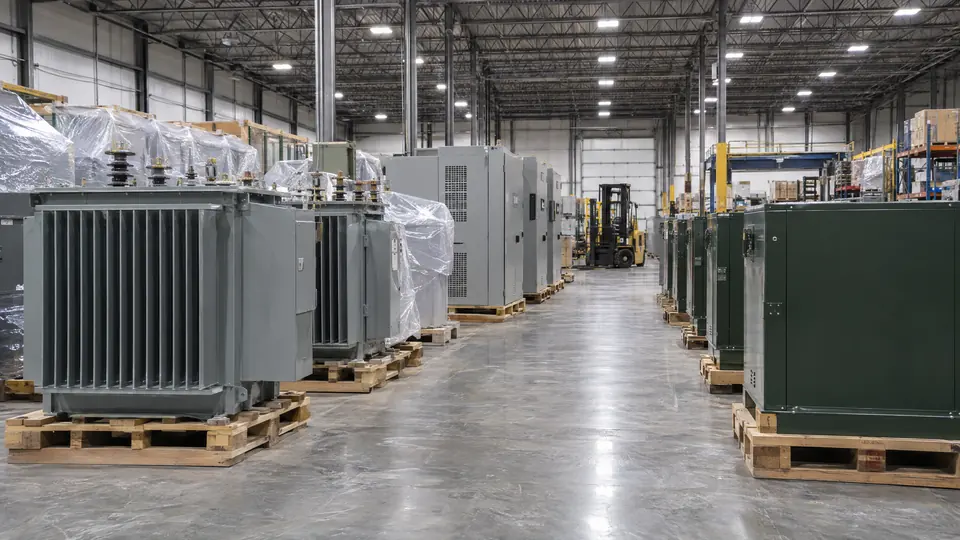
Unused equipment is our focus on this page, but your lot does not have to contain only new transformers. We also buy used, retired and failed units, from 10 kVA pole-mounts to large MVA substation and power transformers. Separate the condition of each unit so we can assess a mixed lot accurately.
Describe visible damage and missing parts plainly. Broken bushings, missing cable elbows, blown fuses, oil leaks, corrosion or a damaged enclosure should be photographed rather than left out of the description. These issues affect evaluation, but working condition is not a requirement for submitting equipment.
An unused transformer can still have storage-related problems. Note exposure to weather, flooding, damaged packaging or changes to the original assembly. If a unit was commissioned and later taken out of service, call it used or retired rather than new surplus; that distinction helps us assess the right information.
Project leftovers and surplus inventory across Texas
Electrical contractors and developers often have excess project transformers after scope reductions, redesigns or revised utility requirements. Data center and solar projects may have unused units when schedules, equipment specifications or site plans change. Distributors may also have inventory tied to orders that are no longer moving forward.
A cancelled order transformer may have the correct specifications for another application even though the original customer no longer needs it. Long lead times for new transformers keep demand strong for unused units. Matching the rating, voltages and configuration remains important; being unused alone does not determine the offer.
We buy surplus transformers in Texas from sellers statewide, including Houston, Pearland, Sugar Land, Katy, Conroe, Dallas, Fort Worth and Arlington. Our base of operations is 6402 McGrew St, Houston, TX 77087. Sellers looking to sell transformers in Houston or arrange pickup elsewhere in Texas can send the same equipment details.
What a new surplus transformer buyer evaluates
The offer starts with the electrical specifications and the condition you can document. Rating, primary and secondary voltages, age, brand and configuration help identify potential applications. Factory test reports and original paperwork make it easier to verify that the equipment matches its nameplate and original order.
Accessories matter because they affect completeness. Show bushings, cable compartments, elbows, fuses, gauges, fans, radiators and any separate boxes of parts supplied with the transformer. Include drawings or packing lists where available, especially if accessories are still crated separately or several similar units are stored together.
For liquid-filled equipment, provide any available information about PCB status. PCB means polychlorinated biphenyls, chemicals associated with some older insulating fluids. Share labels, fluid records or test results rather than assuming status from appearance. Storage history, quantity, location and load-out access also affect the assessment because the offer must account for moving the equipment.
Exactly what to send for an offer
To sell a new transformer, start with a readable nameplate photo and overall photographs. Use our guide to reading a transformer nameplate if you need help locating the rating and voltage information. For multiple units, label the photos so each nameplate can be matched to the correct transformer.
Call or text (951) 403-5738, email Industrial832@gmail.com, or submit your transformer details for an offer. We assess the information and respond with an offer. Include the following in your first submission to give us a clear picture of both the equipment and the pickup.
- Nameplate photos showing kVA or MVA, primary and secondary voltage, manufacturer, serial number, date and other readable specifications.
- Overall photos of each unit, its crate or packaging, connection compartments, accessories and any visible damage or missing components.
- Quantity, city, pickup address and whether the transformers are all at one location or spread across separate sites.
- Condition and history, including whether each unit was ever energized, why it is available, and how and where it has been stored.
- Available factory test reports, original paperwork, drawings, packing lists and fluid or PCB records for liquid-filled units.
- Access details, including loading equipment, dock availability, gates, overhead obstructions and whether the units are loose, crated or still installed.
Pickup, trucking and load-out arrangements
We coordinate trucking and pickup across Texas, with freight and load-out planned around the seller's site. Share the manufacturer's listed weight and shipping dimensions if available. Photographs of the crate, base, lifting points and route to the loading area help clarify what the move involves.
The seller or the seller's qualified electrical contractor must de-energize and disconnect equipment. For never-installed units, explain whether they are accessible in storage or need to be moved out of a building. We coordinate freight and load-out with you; electrical disconnection is not part of that work.
Nothing is loaded until the price, payment terms and pickup plan are confirmed in writing. The arrangement should identify the units being sold, included accessories and the loading responsibilities at the site. Tell us about appointment requirements or restricted access while planning pickup so those details are addressed beforehand.
Prepare a single unit or a whole surplus lot
You do not need a full inventory spreadsheet to contact an unused transformer buyer. For one unit, clear photographs and a short condition summary are a useful starting point. For a larger lot, a simple list pairing each serial number with its rating, voltage and condition helps keep the evaluation organized.
Keep original documents and loose accessories associated with the correct transformer. If some units are crated and others are unpacked, show both groups and note any differences in storage history. Send what you have, identify what is missing, and tell us which equipment you want included in the sale.
Frequently asked questions
Will you buy a new surplus transformer without factory test reports?
Yes, we consider units without test reports. Send the nameplate, overall photos, condition and storage history, and identify any paperwork you do have. Factory reports help verify specifications and raise value, but missing reports do not prevent you from submitting a transformer for an offer.
Does opening the crate make a transformer used?
No. Opening the crate does not mean the transformer has been energized. Tell us whether it was unpacked, installed, connected or operated, and photograph its current condition. An unpacked, never-energized unit differs from one that was placed in service, even briefly.
Do you buy transformers with blown fuses or missing elbows?
We buy working and failed equipment and consider units with missing components. Photograph the affected compartments and list the missing elbows, fuses or other accessories. If the unit was energized before the damage occurred, describe it as used or failed rather than never-energized surplus.
How much does a surplus transformer weigh?
Weight varies substantially with rating, construction, insulating fluid and accessories. Use the nameplate, manufacturer's drawing or shipping paperwork for the actual weight rather than guessing from kVA alone. Include crating dimensions and weight information so freight and loading can be planned around the specific unit.
Can I sell several transformers from a cancelled project together?
Yes, we buy whole lots as well as single units. Send a quantity list, nameplate photos and the condition of each transformer, including any used or failed equipment mixed into the lot. Identify separate pickup locations and any accessories or documentation that belong with particular units.