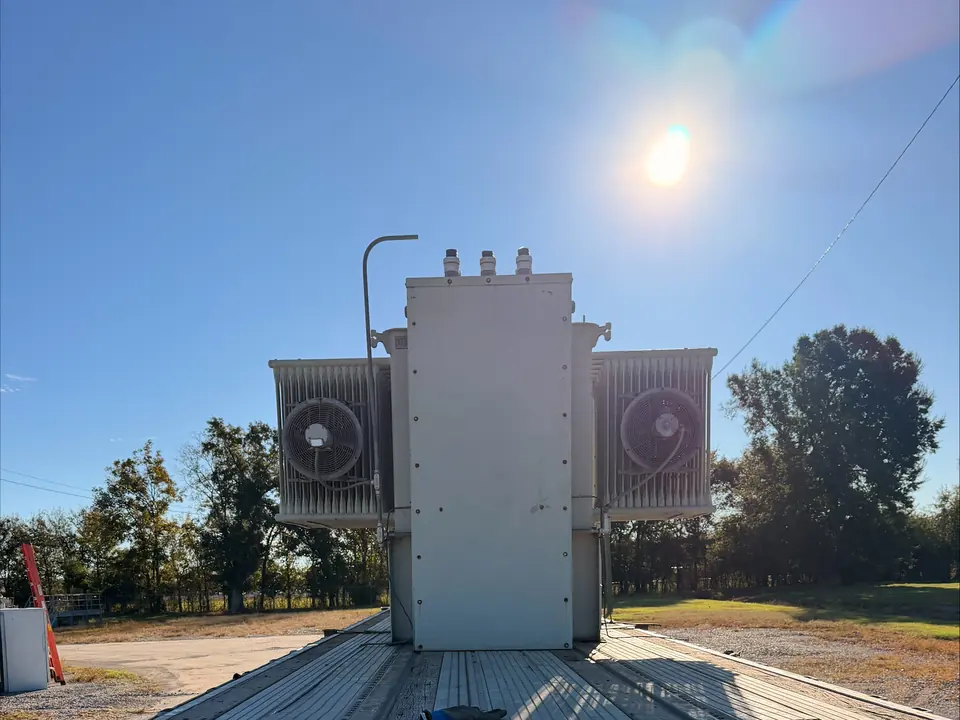
A power transformer buyer for Texas MVA equipment
We buy single power transformers and whole lots, any brand, with a typical range from 10 MVA to 100+ MVA. MVA means megavolt-amperes, the rating used to describe a transformer's apparent power capacity. Our buying scope includes step-down substation transformers, generator step-up units and autotransformers.
New equipment still in its crate, installed units coming out of service, retired spares and failed transformers can all be submitted for an offer. If you want to sell a power transformer, start with its nameplate, condition and location rather than waiting until every document is assembled.
Our yard and office are at 6402 McGrew St, Houston, TX 77087, and we buy statewide across Texas. As an MVA transformer buyer, we assess the equipment details and coordinate trucking and pickup with the seller. Call or text (951) 403-5738, email Industrial832@gmail.com, or use the offer form.
Power transformers sizes we buy
Identify the transformer and its operating role
A transmission-class power transformer is usually identified by its MVA rating, high-voltage bushings, large tank and cooling equipment. It may have a conservator, an external reservoir accommodating oil expansion, or a sealed tank. Fans, pumps and extensive control cabinets are common, along with a load tap changer, or LTC, that adjusts voltage while the transformer operates.
Step-down units reduce transmission voltage for a substation or large facility. Generator step-up, or GSU, transformers raise generator voltage for delivery to the grid. Autotransformers use a shared winding arrangement to connect voltage levels. Tell us the operating role if you know it; the nameplate remains the best starting point.
The categories overlap: a power transformer can also be a substation transformer. For generation equipment, our step-up transformer buying page covers that application. Smaller distribution transformers serve a different duty, while a mobile substation combines transformer equipment with a transportable installation.
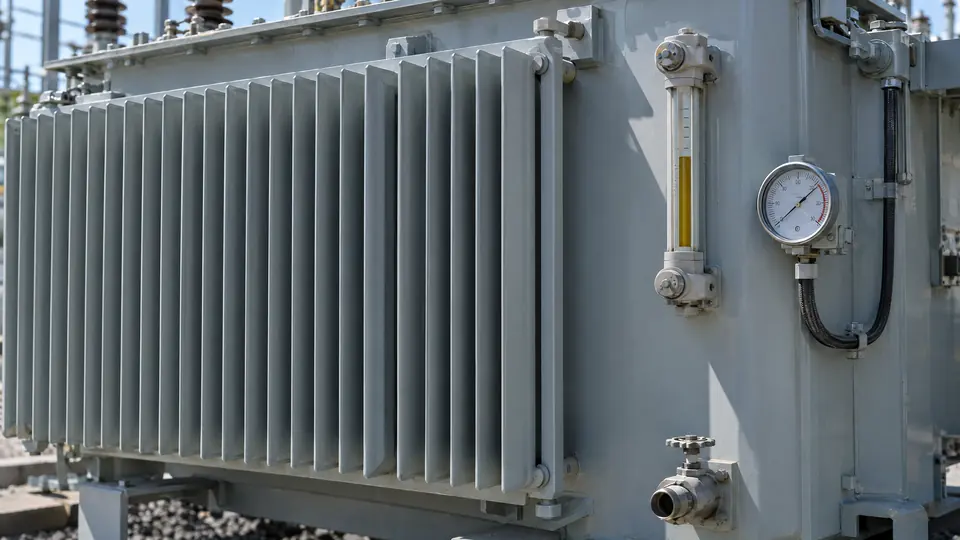
Sizes, voltage ratings and cooling configurations
We buy power transformers from 10 MVA through 100+ MVA, including transmission-class equipment commonly rated for 69 kV, 138 kV and 345 kV on the Texas grid. Send both primary and secondary voltage: these identify the voltage entering and leaving the transformer. Include any additional winding voltage shown on the nameplate.
Separate pages cover 10 MVA transformers, 20 MVA transformers and 7500 kVA, or 7.5 MVA, transformers. The 7.5 MVA size sits below this page's typical range, but it is still equipment we buy. If several sizes are available, list each unit separately.
Capture every cooling-stage rating rather than only the largest MVA figure. ONAN means oil natural, air natural cooling; ONAF means oil natural, air forced cooling using fans. Also include impedance, the percentage measure of electrical opposition that affects fault current and system compatibility. Clear photos can supply these details without requiring you to transcribe them.
Surplus, used, retired and failed transformers
New surplus may come from a canceled project, a specification change or a spare that is no longer needed. Used power transformers may become available after a capacity upgrade, plant closure or substation replacement. We also buy retired equipment and failed units, including transformers with known winding, bushing, cooling-system or tap-changer problems.
Typical sellers include utilities, co-ops, facility owners, plant managers, electrical contractors, developers and oilfield operators. A generation project in Freeport, an industrial facility in Midlothian or a construction project in Taylor may have different reasons for releasing equipment. What matters for the offer is the actual transformer, its records and the removal plan.
We also buy from sellers in Portland, Port Arthur, Fort Worth, Corpus Christi and El Paso, as well as elsewhere in Texas. Describe the condition directly: operating, stored, retired without a known failure, or failed with a documented issue. Include the last service date and storage conditions when known.
What drives the offer on a large power transformer
A large power transformer buyer needs more than the MVA rating to assess a unit. Primary and secondary voltages, age, brand, cooling configuration and overall condition help establish what equipment is being offered. Quantity also matters, especially when a lot contains different ratings or units in different conditions.
Factory test reports, maintenance records and DGA history help document the transformer's condition. DGA means dissolved gas analysis, an oil test used to evaluate gases associated with internal heating or electrical faults. Include the year of manufacture and records of repairs, oil processing, bushing replacement or LTC work if available.
PCB status is another important detail. PCBs, or polychlorinated biphenyls, are substances historically associated with some electrical insulating fluids; send available oil test results or labeling rather than guessing. Accessories, location and load-out access also affect the assessment. Our guide to used transformer value explains why equipment details matter more than a rating alone.
Exactly what to send for a transformer quote
Begin with a readable nameplate photo, overall photos, quantity, location and condition. For transmission transformer surplus, add the available specification sheets and storage information. Photograph each unit separately so ratings, accessories and condition can be matched to the correct transformer.
Use this checklist for the supporting details. If the plate is difficult to interpret, our transformer nameplate guide can help you identify the fields.
- Nameplate and ratings: MVA at each cooling stage, primary and secondary voltage, additional windings, impedance, brand, serial number and year of manufacture.
- Equipment photos: all sides, bushings, radiators, fans, pumps, conservator or sealed tank, LTC equipment and control cabinets. Show visible damage and detached components.
- Condition and records: operating or failed status, known faults, last service date, factory test reports, DGA results, maintenance history and available PCB documentation.
- Inventory: unit count, accessories included, missing parts, spare components and whether related cabinets or cooling equipment are stored separately.
- Location and access: site address, estimated weight and dimensions if documented, loading area, gate restrictions, lifting access and removal constraints.
Pickup, heavy-haul freight and site preparation
Large MVA transformers require a transport plan based on their actual shipping weight, dimensions and configuration. Heavy-haul transport usually requires oil draining, nitrogen fill, impact recorders and Texas oversize or overweight permits. Impact recorders track shocks during transit. The equipment's transport instructions and route requirements determine the preparation needed.
De-energizing and disconnecting the transformer is handled by the seller or the seller's qualified electrical contractor. We coordinate freight and load-out with the seller. Identify who will handle transport preparation, component removal and lifting before a truck is scheduled, including arrangements for oil handling where needed.
Send drawings showing shipping dimensions and weights if available, along with photos of the route from the transformer pad to the loading area. Tight turns, weak surfaces, overhead restrictions and limited crane space can change the plan. We confirm the price, how payment is made and the pickup arrangements in writing before loading starts.
Put your equipment in front of a buyer
Contact a power transformer buyer while the equipment and records are still accessible. Nameplates are easier to photograph before dismantling, and accessory inventories are easier to confirm before parts are moved into separate storage. For a whole lot, a simple unit-by-unit list helps keep the assessment organized.
Send your information through the transformer offer form, call or text (951) 403-5738, or email Industrial832@gmail.com. We evaluate the details and respond with an offer. Include any project deadline or access window so those constraints can be considered alongside the equipment and freight requirements.
Frequently asked questions
Will you buy a power transformer without factory test reports?
Yes, you can submit it without factory test reports. Send the nameplate, overall photos and an accurate condition description. Available DGA results, maintenance records and service history provide useful supporting information, but tell us plainly which records are missing.
Do you buy failed units or transformers with missing components?
Yes. We buy failed transformers and units with missing or damaged accessories. Identify the fault and list missing bushings, fans, pumps, controls or other components. Include photos of the damage and any failure report so the assessment reflects the equipment's actual condition.
How much does a large MVA transformer weigh?
Weight varies substantially with rating, design, oil volume and installed accessories. Use the manufacturer's weight data or shipping drawings rather than estimating from MVA alone. Send both total and shipping weights when available, noting whether oil, radiators or other components are included.
Can you pick up a transformer that is still connected?
Pickup must follow de-energization and disconnection by the seller or the seller's qualified electrical contractor. Tell us its current installation status when requesting an offer so freight and load-out can be coordinated around the site's removal plan.
What if the oil's PCB status is unknown?
State that it is unknown and send any existing oil reports or equipment labels. Do not describe the transformer as PCB-free without supporting documentation. PCB status is part of the equipment assessment and needs to be addressed when planning handling and transport.