 How to Sell a Transformer in Texas
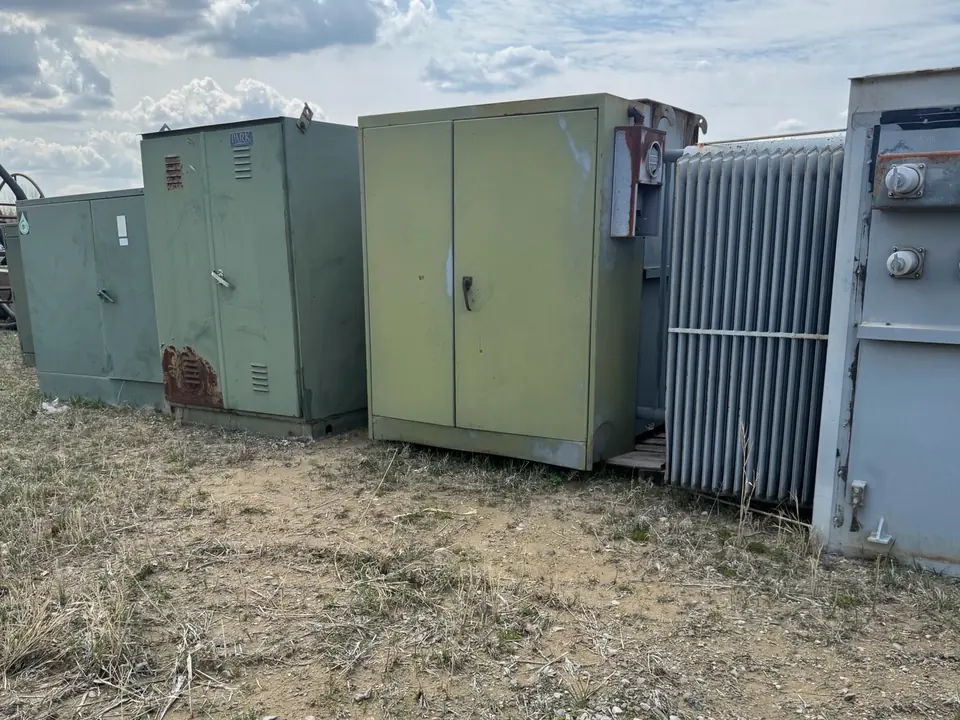 Who Buys Used Transformers in Texas?
 How Much Is a Used Transformer Worth?
 Transformer Scrap Value vs. Resale ValueHow to Read a Transformer NameplateTransformer Photo Checklist for a Fast Offer
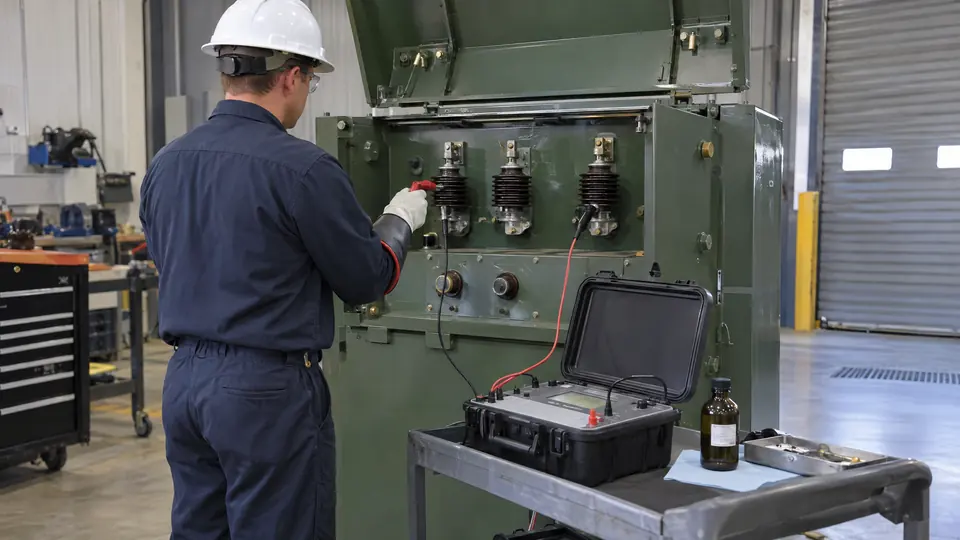 PCB Labels and Oil Testing for Used Transformers
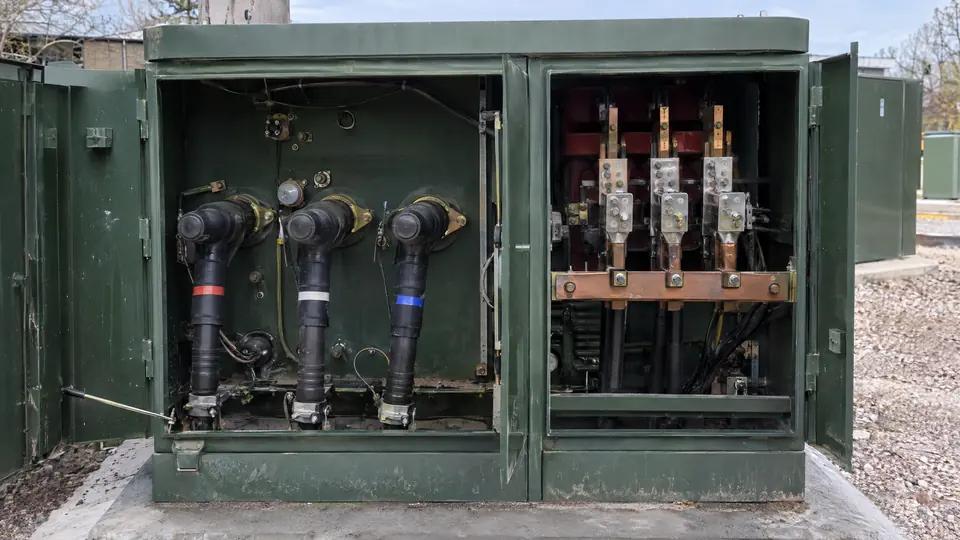 Transformer kVA to Amps Calculator & Chart
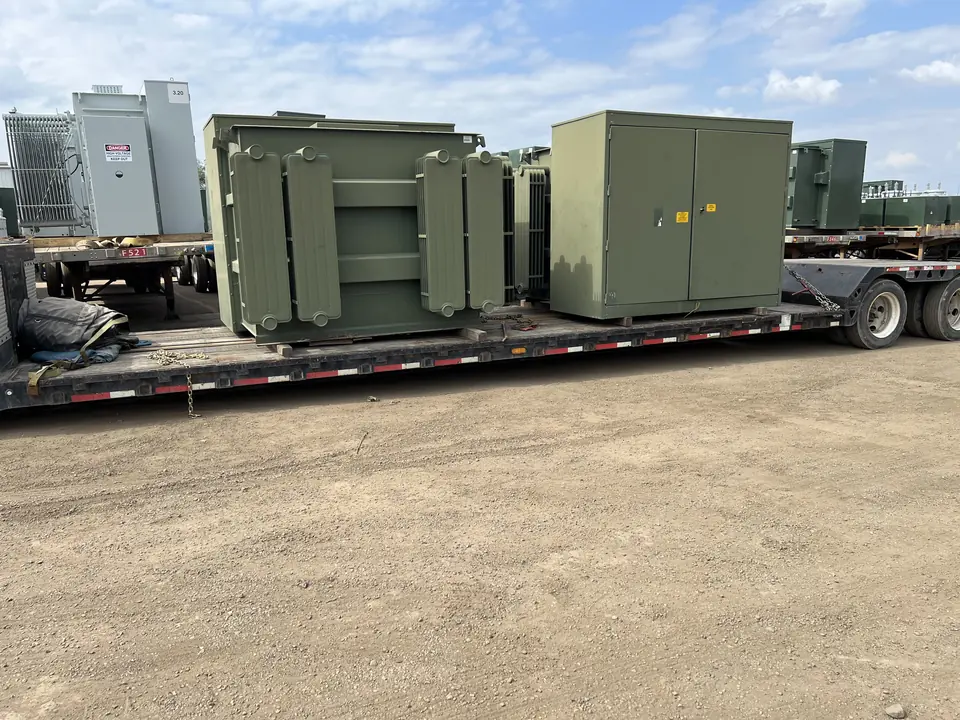 Padmount vs. Substation Transformers
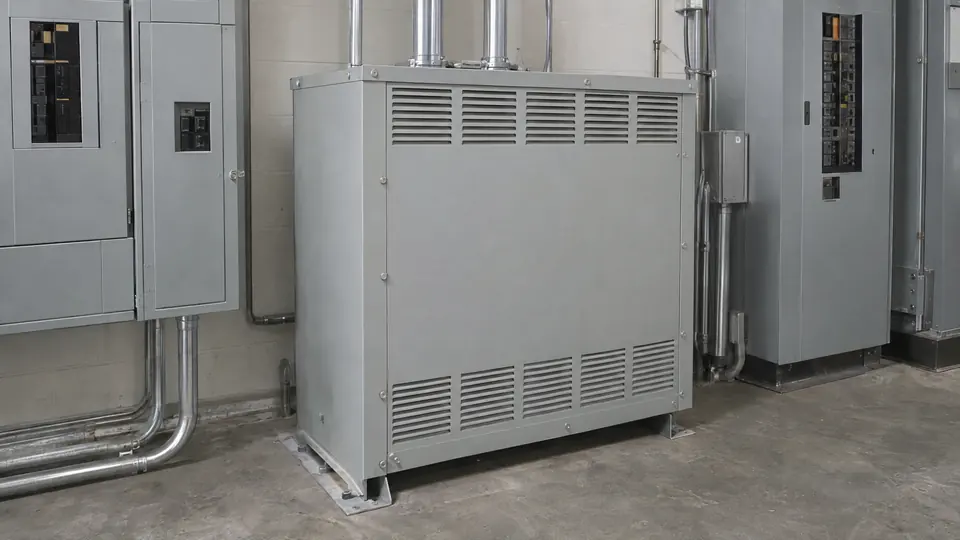 Dry-Type vs. Oil-Filled Transformers
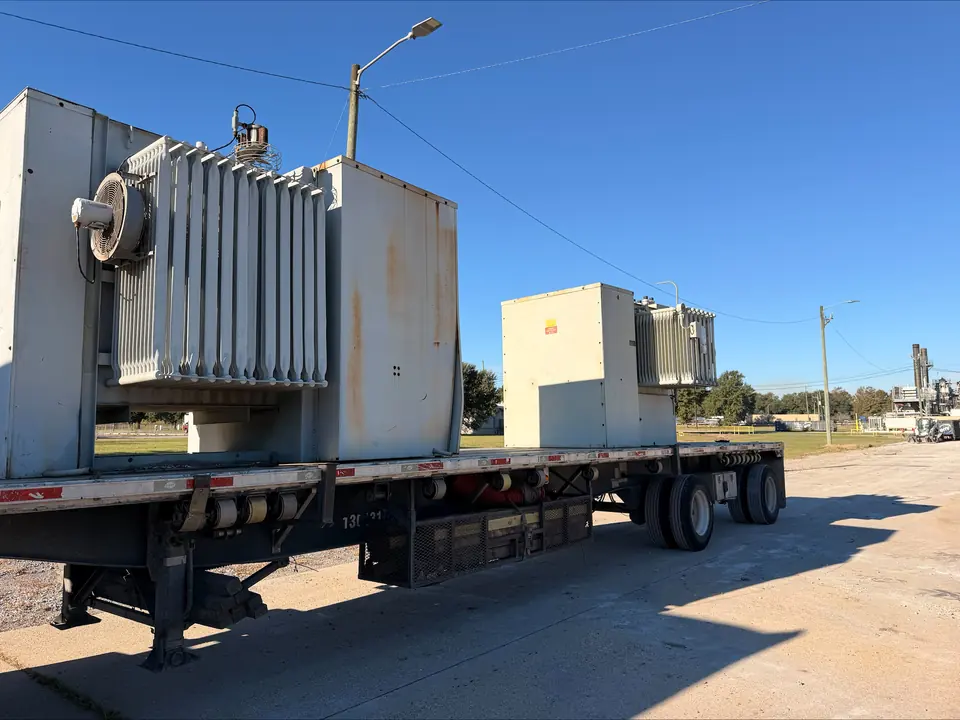 Moving and Shipping Transformers in TexasSelling Storm- or Flood-Damaged Transformers
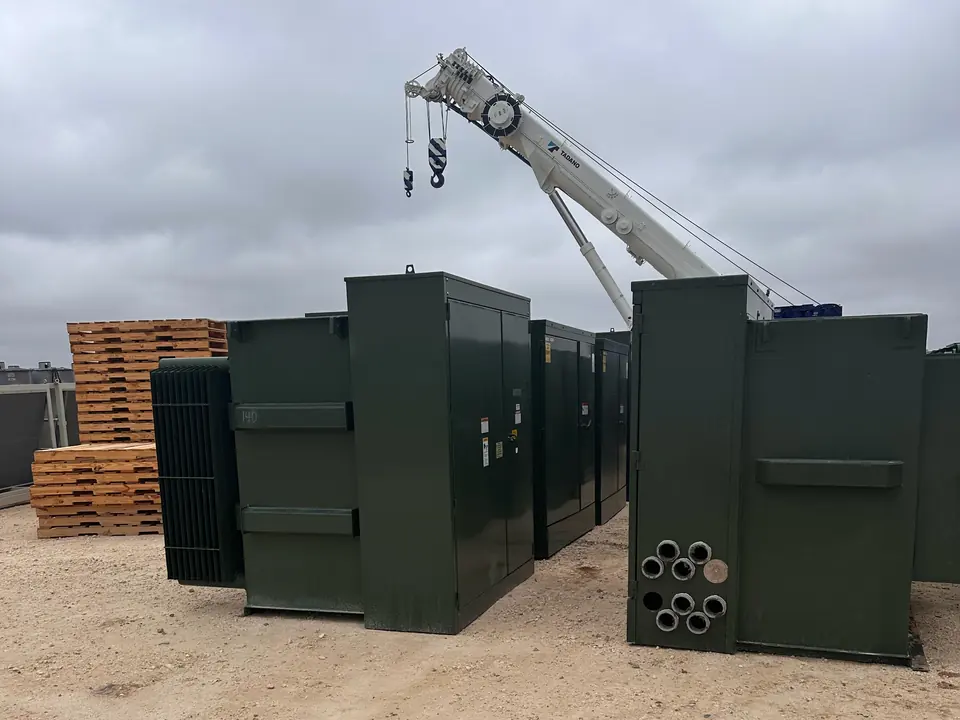 Why Used Transformers Are in Demand in Texas
Start with our selling a transformer guide
Whether you have one spare unit or a whole lot from a plant shutdown, start with identification and condition. We buy any brand, from 10 kVA pole-mounts to large MVA substation and power transformers, including equipment that is new in crate, working, retired or failed. kVA and MVA describe apparent power capacity; one MVA equals 1,000 kVA.
The guide to selling a transformer in Texas walks through the process from gathering records to agreeing on pickup. Send a nameplate photo, overall photos, quantity, location and condition. We evaluate those details and respond with an offer; price, payment terms and pickup details are agreed in writing before anything is loaded.
The guide on who buys used transformers explains how potential resale buyers and scrap buyers evaluate equipment differently. It helps you prepare useful questions about the purchase scope, handling responsibilities and written terms before choosing a buyer.
Understand transformer value before choosing a route
Transformer value depends on more than size or weight. Capacity, voltage configuration, equipment type, condition and available records help establish whether a unit may fit another installation. A working transformer with documented specifications presents a different evaluation than a failed unit with missing information.
Our used transformer value guide explains the details that support an equipment evaluation without treating every transformer as interchangeable. The scrap value versus resale guide separates potential equipment use from the value of recoverable materials. That distinction helps you avoid assuming a retired unit is only worth its metal content.
The guide on why used transformers are in demand in Texas explains why compatibility, availability and project requirements can make existing equipment useful. Demand alone does not establish an offer: the actual unit still needs to match a buyer's intended application.
Read the nameplate and gather useful photos
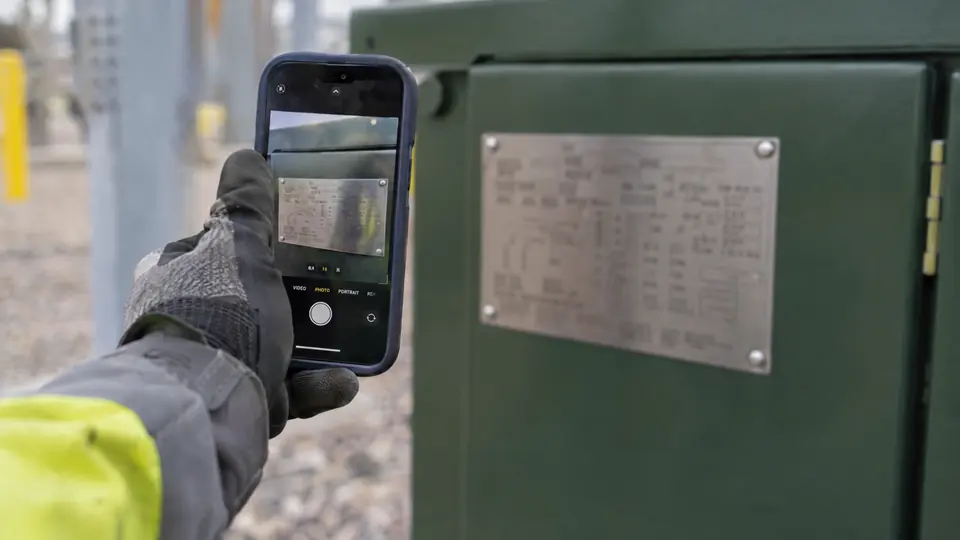
A transformer nameplate is the manufacturer's identification and rating plate. It commonly lists capacity, primary and secondary voltage, phase, frequency and impedance. Primary and secondary voltage identify the input and output ratings; impedance describes electrical opposition that affects voltage regulation and fault current.
Use the nameplate reading guide to locate these ratings and distinguish them from shipping or asset labels. Photograph the whole plate straight on, then add closer images if small print is difficult to read. Preserve the original photos so the markings remain readable when enlarged.
The transformer photo checklist covers overall views, terminals, accessories, visible damage and access conditions. Photos should show what is present, missing or damaged without requiring anyone to open energized equipment. The kVA-to-amps calculator and chart explains how capacity, voltage and single-phase or three-phase configuration relate to rated current; it is a reference tool, not a substitute for equipment ratings.
Identify the construction and installation type
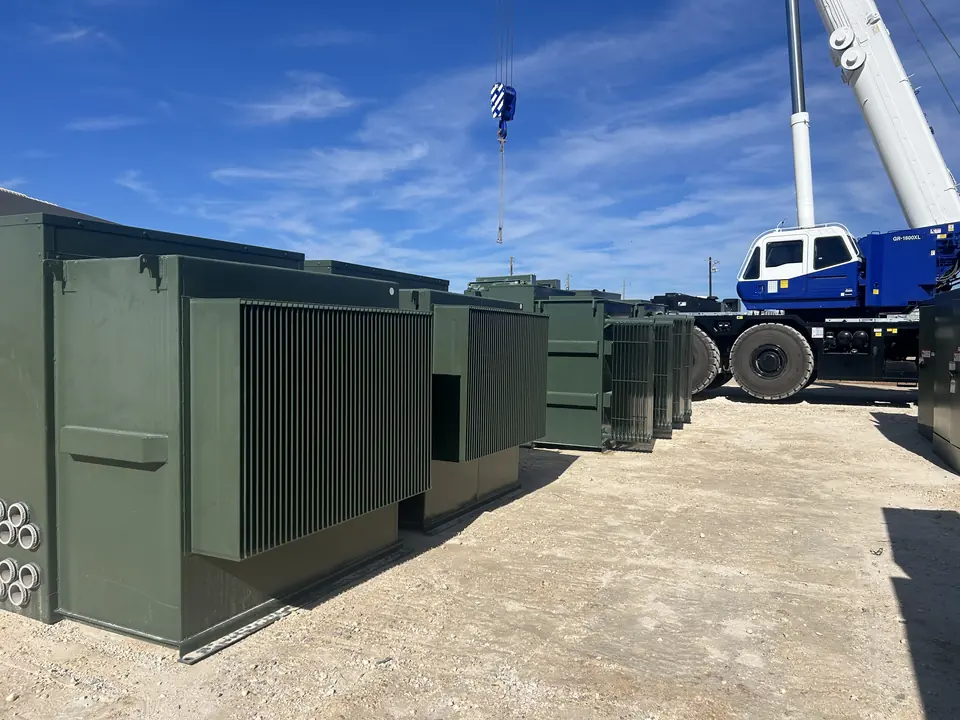
The padmount-versus-substation guide helps identify the equipment's layout and connection arrangement. Pad-mounted transformers generally have an enclosed cabinet at ground level, while substation equipment can have different terminal arrangements and supporting structures. These differences affect the photos, dimensions and handling information a buyer needs.
If your unit is marked dead-front or loop-feed, include that information. Dead-front describes an insulated connection arrangement without normally exposed energized parts at the cable interface; loop-feed indicates provisions for incoming and outgoing primary cables. These terms help identify configuration, but do not establish that equipment is safe to approach or open.
The dry-type-versus-oil-filled guide explains the distinction between units without liquid insulation and units using insulating liquid. For oil-filled equipment, photograph cooling ratings such as ONAN/ONAF if listed: oil natural, air natural cooling versus oil natural, air forced cooling with fans. Include photos of radiators, fans and any loose accessories.
Document oil records and storm damage
The PCB labels and oil testing guide explains which labels and records are useful when evaluating oil-filled equipment. PCB means polychlorinated biphenyls, a regulated group of chemicals historically used in some electrical insulating fluids. Share existing test reports and label photos rather than assuming an unlabeled unit has a particular PCB status.
If available, include DGA reports. DGA means dissolved gas analysis, an oil test used to help assess internal operating conditions. Keep each report tied to the correct unit through its serial number or other documented identifier.
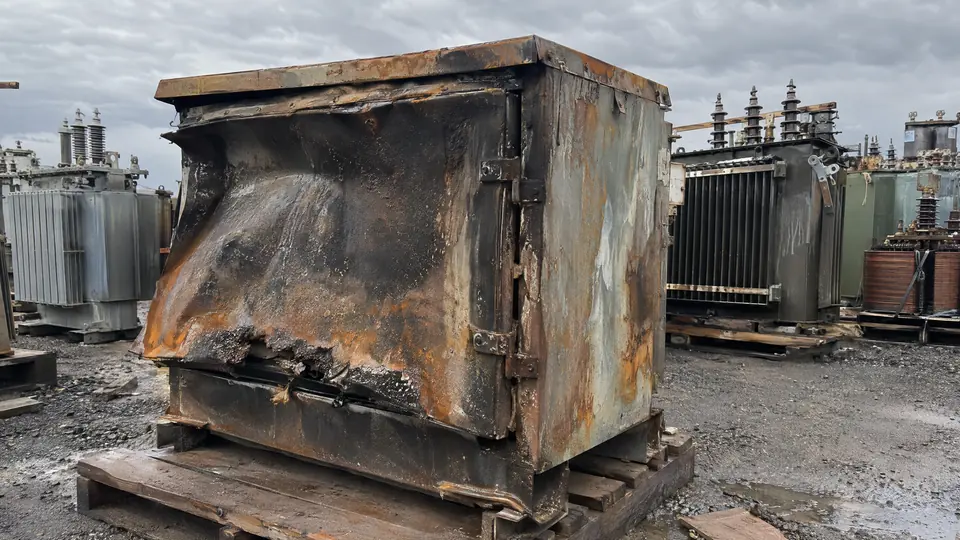
The storm- and flood-damaged transformer guide helps sellers describe water exposure, physical damage and known failure history. State whether the unit was submerged, whether oil leakage is visible and what testing has already occurred. We buy failed equipment, so a clear account of damage is more useful than presenting an uncertain unit as working.
Plan freight and load-out before pickup
The Texas transformer shipping guide explains how dimensions, weight, site access and lifting arrangements shape a move. Include available shipping drawings and identify obstacles such as narrow gates, overhead restrictions, soft ground or equipment inside a building. Note whether accessories are attached or stored separately.
Before pickup, the seller or a qualified electrical contractor hired by the seller must de-energize and disconnect the unit. Texas Transformer Buyers coordinates trucking and pickup statewide, and coordinates freight and load-out with the seller. Discuss available loading equipment and site responsibilities before scheduling the move.
Send the details and request an offer
Use this selling a transformer guide to organize what you know, then submit your transformer for an offer. Call or text (951) 403-5738, or email Industrial832@gmail.com. For a mixed lot, identify each unit separately so its photos and records can be matched.
Texas Transformer Buyers is based at 6402 McGrew St, Houston, TX 77087, and buys from sellers anywhere in Texas. You do not need every historical document to begin; send the available information and identify anything unknown.
Frequently asked questions
Which guide should I read first?
Start with how to sell a transformer for the overall sequence. Then use the nameplate and photo guides to prepare your submission. Read the value, oil-record and shipping guides as they apply to your equipment.
Can I sell a single transformer or a mixed lot?
Yes. We buy single units and whole lots, including different brands, capacities and conditions. Label photos by unit so specifications and condition notes stay together.
Do you buy failed or flood-damaged transformers?
Yes, we buy failed transformers. Describe the failure or water exposure and provide available photos and test records so we can evaluate the equipment as it stands.
Can I get an offer without knowing the weight?
Send the nameplate and overall photos along with quantity, location and condition. Identify weight as unknown if necessary; available drawings or manufacturer records may help with freight planning.
What should be settled before loading?
Price, payment terms and pickup details are agreed in writing before loading. The freight and load-out plan should also identify site access, available handling equipment and each party's responsibilities.