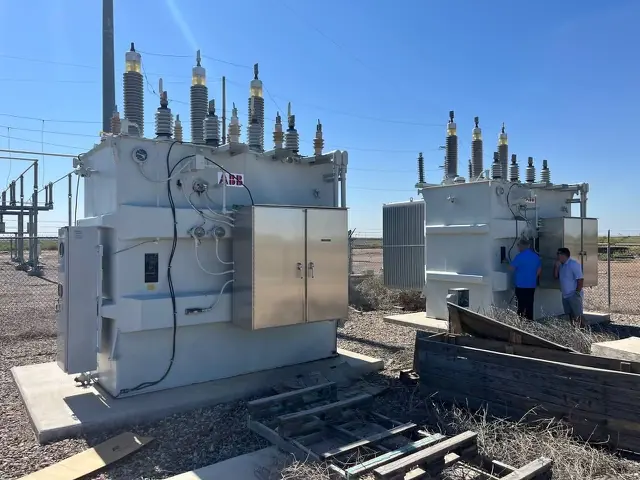
A substation transformer buyer for single units and whole lots
We buy substation transformers from facility owners, industrial plants, electrical contractors, utilities, co-ops, developers and oilfield operators across Texas. A single spare, a transformer removed during an upgrade or an entire lot of retired equipment can be submitted for an offer. Any brand is welcome, whether the equipment is new in crate, working or failed.
Our office and yard sit at 6402 McGrew St, Houston, TX 77087. We coordinate trucking and pickup statewide, with freight and load-out planned around the equipment and the seller’s site. Start with photographs and basic details rather than moving a heavy unit just to have it evaluated.
Call or text (951) 403-5738, email Industrial832@gmail.com or request an offer on your transformer. If several units are available, identify each one separately so ratings, condition and photographs stay matched throughout the evaluation.
Substation transformers sizes we buy
How to identify a substation transformer
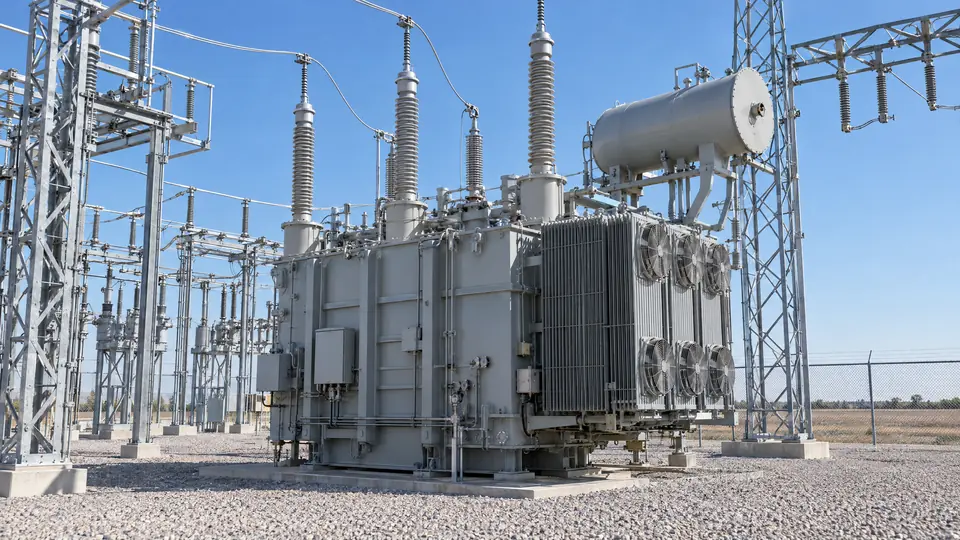
A typical liquid-filled substation transformer has high-voltage bushings mounted on its cover or sidewall, external radiators and often cooling fans. Look for pressure relief devices, a liquid-level indicator, and oil and winding temperature gauges. The nameplate is the best starting point for identifying the rating, voltage arrangement and cooling configuration.
These units differ from a complete unit substation, which combines a transformer with associated switching or distribution equipment. If your sale includes connected switchgear, show the full assembly and see our unit substation buying information. A mobile substation is a transportable assembly rather than simply a stationary transformer awaiting shipment.
The categories of substation and power transformers can overlap. Larger units serving transmission or major distribution duties may also fit our power transformer buying scope. Do not worry about choosing the perfect category before contacting us; clear nameplate and overall photos let us evaluate the actual equipment.
MVA ratings, cooling stages and voltages we buy
The typical range for this page is 1 MVA to 30+ MVA. MVA means megavolt-amperes, a measure of transformer capacity; 1 MVA equals 1,000 kVA, or kilovolt-amperes. We buy sizes including 2,500 kVA, 3,750 kVA, 5 MVA, 7.5 MVA, 10 MVA and 20 MVA.
Cooling ratings matter. ONAN means oil natural, air natural: oil circulates naturally and heat leaves through natural airflow. ONAF means oil natural, air forced, using fans for additional cooling capacity. These designations were formerly OA/FA. Send every self-cooled and forced-air rating shown, not just the highest MVA number.
Texas primary voltages commonly include 34.5 kV, 69 kV and 138 kV. The primary is the incoming side; the secondary is the outgoing side. Common secondary ratings include 4,160 V, 12,470 V, 13,200 V, 13,800 V, 24,940 V and 34,500 V. Use the exact nameplate values in your submission.
For rating-specific information, see our pages for 2,500 kVA units, 5 MVA transformers and 7.5 MVA transformers. As an MVA substation transformer buyer, we also consider larger units and lots containing mixed ratings.
New surplus, used, retired and failed equipment
New surplus equipment may come from a canceled project, a changed specification or a spare inventory reduction. For an unused unit, tell us whether it remains crated, how it has been stored and whether drawings or factory test reports are available. Photograph any shipping damage or missing parts.
Used substation transformers may become available after a plant expansion, service upgrade or equipment replacement. Retired units can still be evaluated even if they have been sitting out of service. Provide the removal date if known, the last operating condition and any records from before or after removal.
Failed equipment is also within our buying scope. Describe the known failure rather than labeling the whole unit as scrap: a damaged bushing, leaking tank, cooling problem or internal electrical fault tells us different things. Include photos of damaged areas and identify accessories that were removed or retained.
Who sells substation transformers across Texas
Industrial plants and facility owners may sell after changing their electrical service or shutting down a process. Utilities and co-ops may have retired units or surplus spares, while contractors and developers may hold equipment from projects that changed direction. Oilfield operators may have units available after a site consolidation or power-system change.
We buy equipment in Houston, Pasadena, Baytown, Deer Park, La Porte, Texas City, Freeport and Dallas, as well as other Texas locations. The important details are where the transformer sits, who controls its release and what access is available for removal.
If you have a substation transformer for sale in Texas, include any project deadline or site restrictions with the first submission. A demolition schedule, restricted gate or shared crane arrangement can affect pickup planning. Tell us whether one unit or an entire group must leave together.
What drives the offer
An offer reflects the transformer’s rating, primary and secondary voltages, age, brand and documented condition. Impedance—the transformer’s opposition to current flow, usually listed as a percentage—also helps identify its electrical characteristics. Clear documentation reduces uncertainty about what is being offered.
Factory and field test reports, dissolved gas analysis and oil quality tests strongly affect value. Dissolved gas analysis, or DGA, examines gases in insulating oil for evidence of internal problems. Send dated reports and identify which unit each report covers; a test from a different transformer does not establish this unit’s condition.
PCB status matters too. PCBs are polychlorinated biphenyls, substances that may be present in older insulating fluids. Provide available oil analyses, labels or records rather than assuming status from age alone. Also identify the tap changer: a de-energized tap changer, often marked NLTC, is adjusted with the unit de-energized; an on-load tap changer, or LTC, adjusts taps under load.
Accessories, quantity, location and load-out access complete the picture. Missing fans, radiators, bushings, controls or gauges should be listed. For more context on how equipment details affect an evaluation, see our guide to used transformer value.
Exactly what to send for a quote
Send a readable nameplate photo, overall photos, quantity, location and condition. Include close-ups of secondary plates, tap-changer information and any damaged areas. Our transformer nameplate guide can help you locate the information needed for an offer.
For a complete submission, include the following details where available. Missing records do not prevent you from contacting us; identify what you have and what is unknown.
- Equipment identification: brand, serial number, year, all MVA ratings, primary and secondary voltages, impedance and tap-changer type.
- Condition and records: operating or failed status, known faults, leaks, storage history, test reports, DGA, oil tests and PCB documentation.
- Included equipment: radiators, fans, bushings, gauges, controls, loose accessories and any parts stored separately.
- Site and release details: quantity, Texas location, dimensions, listed weight, access restrictions, available loading equipment and your contact information.
Pickup, freight and written sale terms
We assess the submitted details and respond with an offer. Before any equipment leaves the site, the price, payment method and pickup details are put in writing. The seller, or the seller’s qualified electrical contractor, must de-energize and disconnect the equipment; we coordinate freight and load-out with the seller.
Substation transformers usually travel on lowboy or flatbed trailers. Heavy units may require shipment with oil drained under nitrogen, depending on the transport plan. Provide dimensions and available weight information, plus photos of the route from the transformer to the loading area.
Gate clearance, overhead obstructions, ground conditions and crane or loading access all need attention before dispatch. Explain whether radiators or other components have already been removed, and show any loose parts. A coordinated plan helps keep the agreed sale, equipment inventory and freight arrangements aligned.
Frequently asked questions
Can I sell a substation transformer without test reports?
Yes. Send the nameplate, overall photos and known condition even if reports are unavailable. Tell us when it last operated and why it was removed, if known. We evaluate units without reports, but missing test and oil records affect the offer.
Do you buy units with failed bushings or missing accessories?
Yes, we buy failed and incomplete units. Photograph damaged bushings and list missing fans, radiators, controls or other parts. If associated equipment has blown fuses or missing cable elbows, identify that equipment separately so the sale scope is clear.
How much does a substation transformer weigh?
Weight varies with rating, design, oil volume and installed accessories. Send the nameplate weight, shipping drawings or other manufacturer records if available. Specify whether the stated weight includes oil and radiators; dimensions and the shipping configuration are also needed for freight planning.
Will you buy a transformer that is still connected?
You can submit it for an offer while it is still connected. Before removal, the seller or a qualified electrical contractor must de-energize and disconnect it. Include your anticipated release date and any outage requirements when discussing pickup.
Can you buy several transformers at different Texas sites?
Yes. We buy whole lots as well as single units statewide. Send a separate photo set, rating, condition and location for each unit. Identify site contacts and access restrictions so freight and load-out can be coordinated for each location.