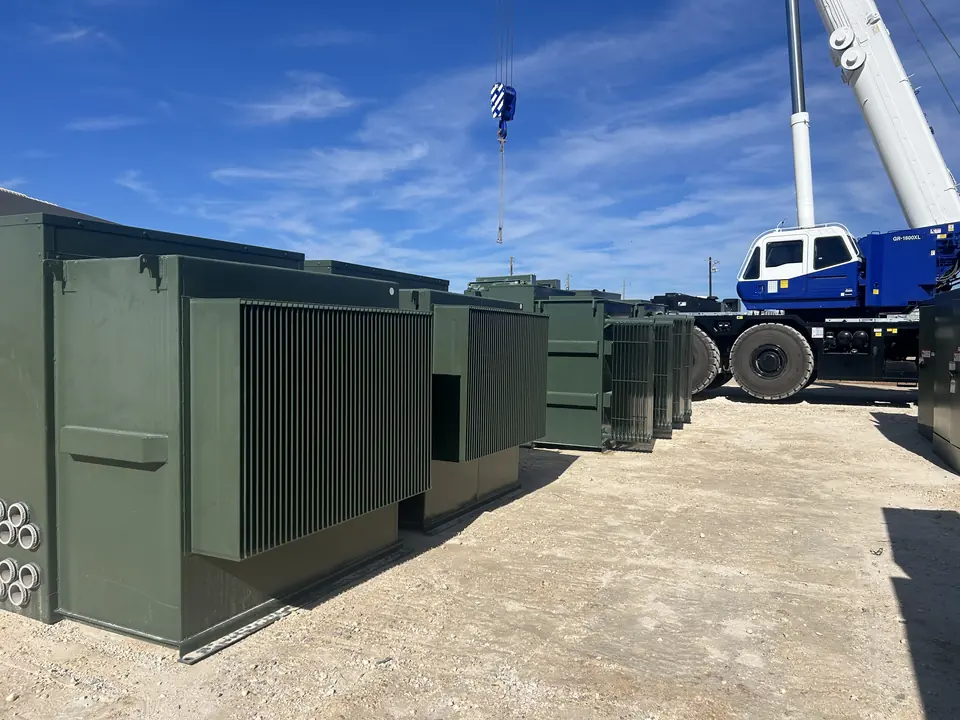
How much is a used transformer worth?
There is no single price list that reliably covers used transformers. Two units with the same power rating can have different winding materials, voltages, cooling arrangements, accessories and service histories. Those differences determine whether another owner can put the equipment to work.
A buyer also considers the cost of testing, repairs, transportation and preparing the transformer for another installation. An attractive equipment value can shrink when the unit needs extensive work or difficult removal. Treat used transformer prices as equipment-specific offers, not a fixed schedule based on size alone.
Start by separating reuse potential from material recovery. This guide to transformer scrap value versus resale value explains why a working unit should not automatically be valued only by its weight.
- Identify the exact equipment before comparing offers: type, rating, voltage, phase and condition.
- Ask whether an offer covers one unit or the entire lot, and clarify freight and loading responsibilities.
- Compare written terms as well as the offer amount, especially when removal involves rigging or restricted access.
Power rating matters, but demand matters just as much
A transformer's kVA, or kilovolt-ampere, rating describes its apparent power capacity. Larger units may use MVA, or megavolt-amperes; 1 MVA equals 1,000 kVA. More capacity generally means more equipment and materials, but it does not automatically mean stronger resale demand.
A modest-size unit that fits a common commercial installation may be easier to place than a much larger transformer built for one industrial process. Conversely, a large unit can be valuable when its specifications match an active project.
Compare like equipment rather than rating alone. A pole-mounted distribution transformer, a padmount transformer and an indoor dry-type unit serve different installation needs, even when their ratings overlap. Phase, enclosure and cooling design narrow the potential buyer pool further.
- Record every nameplate rating, including additional capacities listed for different cooling stages.
- Confirm whether the unit is single-phase or three-phase.
- For multiple units, list each rating separately rather than reporting only a combined capacity.
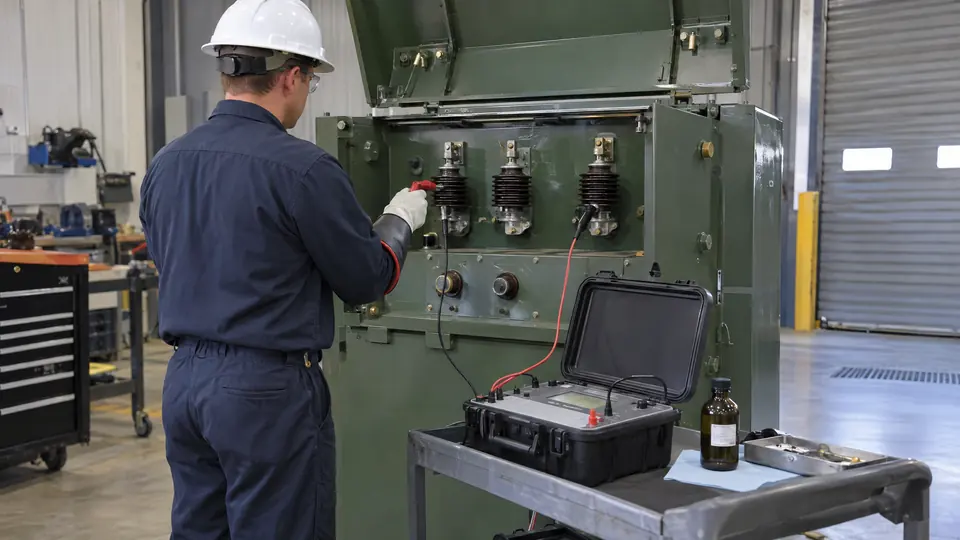
Voltage combinations determine where a unit can work
Primary voltage is the rated input voltage; secondary voltage is the rated output voltage. Both must suit the proposed electrical system. Common combinations can broaden reuse opportunities, while unusual voltages may limit a transformer to a smaller group of applications.
Voltage alone is not enough. Frequency, winding connections, available taps and impedance also matter. Impedance describes how strongly the transformer limits current and affects voltage regulation and fault-current calculations, so it can be important when replacing an existing unit or operating transformers in parallel.
Read the full nameplate instead of relying on a handwritten inventory description. The transformer nameplate guide helps identify the information a buyer needs. Photograph any connection diagrams and tap information without opening energized equipment.
- Provide primary and secondary voltages exactly as marked, including multiple voltage options.
- Include phase, frequency, impedance and winding connection information when available.
- Show cable compartments and connection arrangements only when safely accessible.
New surplus, used and failed units have different values
New surplus means equipment purchased but not put into service. Original packaging, readable labels, storage records and complete accessories help establish what is being offered. A crate alone does not prove that a transformer is unused, undamaged or ready for installation.
A used working transformer can retain reuse potential, especially when its removal reason and operating history are documented. Equipment removed for a facility upgrade tells a different story from a unit taken offline after repeated overheating or protective-device trips.
Failed equipment requires a different assessment. A repairable fault may leave some equipment value, while extensive winding damage can shift the evaluation toward recoverable materials. Describe known problems directly; do not label an untested unit as working simply because it looks intact.
- State whether the unit is unused, working when removed, untested, damaged or known to have failed.
- Explain why it was retired and identify missing bushings, fans, gauges or other components.
- Provide safe exterior photos of leaks, corrosion, impact damage and damaged connections.
Age, brand, tests and PCB records reduce uncertainty
Age is useful context, not a stand-alone verdict. Storage, loading, maintenance and exposure can matter more than the manufacturing date. Brand can affect familiarity and access to technical information, but specifications and condition still drive the assessment.
Dated test reports can support transformer resale value by giving a buyer more evidence than appearance alone. Useful records may include turns-ratio, winding-resistance and insulation tests. For oil-filled equipment, DGA, or dissolved gas analysis, examines gases in insulating oil that can indicate internal thermal or electrical problems.
PCB means polychlorinated biphenyls, substances historically used in some electrical insulating fluids. PCB status can affect handling, transportation and disposition. Supply existing labels and laboratory reports; age or an informal description is not a substitute for documentation. See the guide to PCB labels and transformer oil testing.
- Include the manufacturer, serial number, manufacturing date and service records when available.
- Send complete test reports with dates and equipment identification, not just a statement that the unit passed.
- Distinguish documented PCB status from unknown status, and disclose any known oil replacement history.
Location, quantity and access affect the overall offer
Transportation and load-out costs influence what a buyer can offer. A transformer beside an accessible loading area is a different job from one inside a basement, behind operating equipment or on a site with tight truck access.
Quantity can improve freight efficiency when several compatible units are available at one location. However, a mixed lot still needs individual identification. A buyer must know which units have reuse potential and which need separate evaluation.
For large substation transformers, accurate dimensions and transport weight help identify freight and rigging requirements. Describe access honestly rather than assuming a forklift or standard trailer will be suitable.
- Provide the city, site address, unit count and any deadline for clearing the equipment.
- Report nameplate weight, overall dimensions and whether detachable accessories remain installed.
- Describe gates, overhead obstructions, ground conditions, truck access and available loading equipment.
- Explain whether removal requires a crane, machinery mover or work around an operating facility.
New-equipment lead times can support resale demand
When a project's quoted lead time for a new transformer is long, a suitable used or surplus unit can become more attractive. Avoided downtime or an earlier project start may make available equipment worth considering alongside a new purchase.
That does not make every stored transformer more valuable. The available unit still has to meet the application's electrical requirements, physical constraints and acceptance standards. Testing, repairs and engineering assessment can reduce any scheduling advantage.
Demand also changes with project activity and available inventory. An old offer is not a dependable measure of present value. Request a fresh evaluation when your equipment is actually available, using current condition photos and a realistic removal schedule.
Build a useful valuation packet before requesting offers
If you are asking, what is my transformer worth, the most productive next step is gathering evidence. A clear identification packet lets buyers assess the equipment without guessing at basic specifications or removal costs.
Use the same information when approaching each buyer so the offers address the same equipment and responsibilities. Keep original files available, especially nameplate images and laboratory reports. The transformer photo checklist covers useful views for an initial assessment.
- Take a sharp nameplate photo and overall photos from several sides.
- List quantities, locations, condition and the reason each unit is available.
- Attach available test reports, maintenance records and PCB documentation.
- Identify included accessories and any equipment shown in photos that is not part of the sale.
- Describe the removal schedule, electrical isolation status and loading arrangements.
Get an equipment-specific offer in Texas
Texas Transformer Buyers buys single units and whole lots statewide, including any brand, new surplus, used, retired and failed equipment. The range runs from 10 kVA pole-mounts to large MVA substation and power transformers. Our yard and office are at 6402 McGrew St, Houston, TX 77087.
To answer how much is a used transformer worth for your equipment, send a nameplate photo, overall photos, quantity, location and condition. Call or text (951) 403-5738, email Industrial832@gmail.com, or request an offer on your transformer. We assess the details and respond with an offer.
Price, payment terms and pickup details are agreed in writing before anything is loaded. De-energizing and disconnecting the transformer is handled by the seller or the seller's qualified electrical contractor. We coordinate trucking, pickup and load-out with the seller.
Frequently asked questions
How much is a used transformer worth without test reports?
It can still be evaluated, but missing reports leave more uncertainty about condition. Provide the nameplate, photos, operating history and known issues. A buyer may account for additional testing or assess it as untested equipment.
Is a larger transformer always worth more?
No. Capacity matters, but voltage compatibility, condition, demand and removal costs also affect value. A smaller unit suited to an active project can have stronger resale prospects than a larger, highly specialized unit.
Do copper windings always mean better resale value?
No. Copper and aluminum have different material-recovery values, but a reusable transformer's value also depends on its electrical specifications and condition. Do not dismantle equipment solely to identify winding material; check manufacturer documentation first.
Can a failed transformer still be sold?
Yes. Failed units may have repair potential or recoverable-material value. Describe the failure, damage and missing components, and provide any inspection findings so the buyer can evaluate the actual condition.
Should I order oil testing before requesting an offer?
Send existing records first and ask what additional information is needed. Testing requirements depend on the equipment and proposed disposition. Any sampling should be arranged through qualified personnel using appropriate procedures.
What should a written offer clarify?
It should identify the equipment, price, payment terms and pickup arrangements. Confirm who handles electrical disconnection, rigging, loading and freight, and make sure the agreed scope matches the units and accessories being sold.