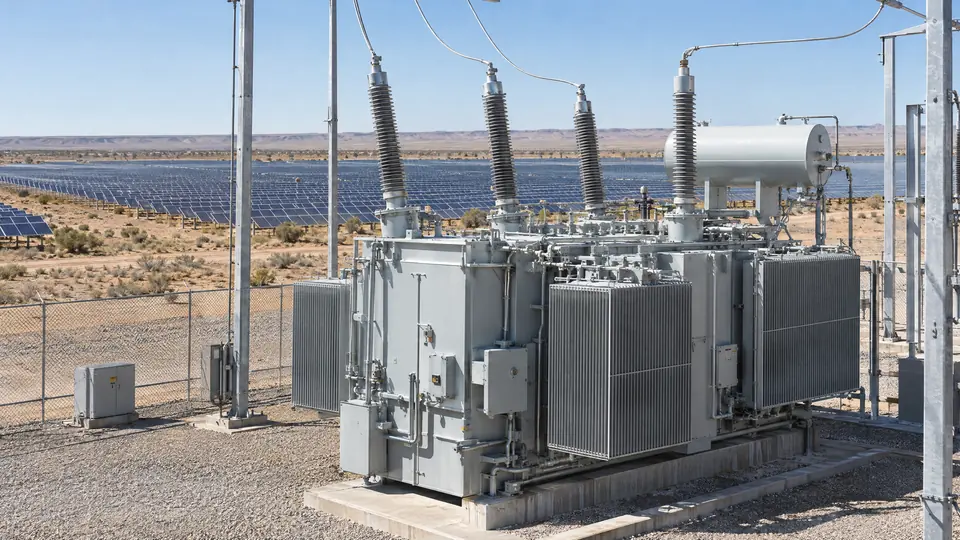
A Step Up Transformer Buyer for Texas Projects
We buy generator step-up transformers, renewable inverter transformers, wind turbine transformers and collector substation main transformers. Equipment in this group commonly ranges from 1 MVA to 100+ MVA, including individual padmounts and large power transformers. MVA means megavolt-amperes, the unit used to describe transformer capacity.
Single units and whole lots are welcome, regardless of brand. You can offer equipment still in its crate, units removed during a replacement project, operating equipment scheduled for retirement or transformers that have failed. Tell us what you have and whether the equipment is available now or tied to a planned outage.
Our yard and office are at 6402 McGrew St, Houston, TX 77087. We buy across Texas and coordinate trucking and pickup with sellers, including projects around Big Spring, Pecos, San Angelo, Abilene, El Paso, Amarillo, Lubbock and Plainview.
Step-up transformers sizes we buy
Identify GSU, Solar and Wind Step-Up Transformers
A step-up transformer raises voltage between the generating equipment and the receiving electrical system. Primary and secondary voltage describe the two winding ratings; send both exactly as shown on the nameplate rather than relying on an equipment nickname. Photos of the connection diagram help identify how the windings are configured.
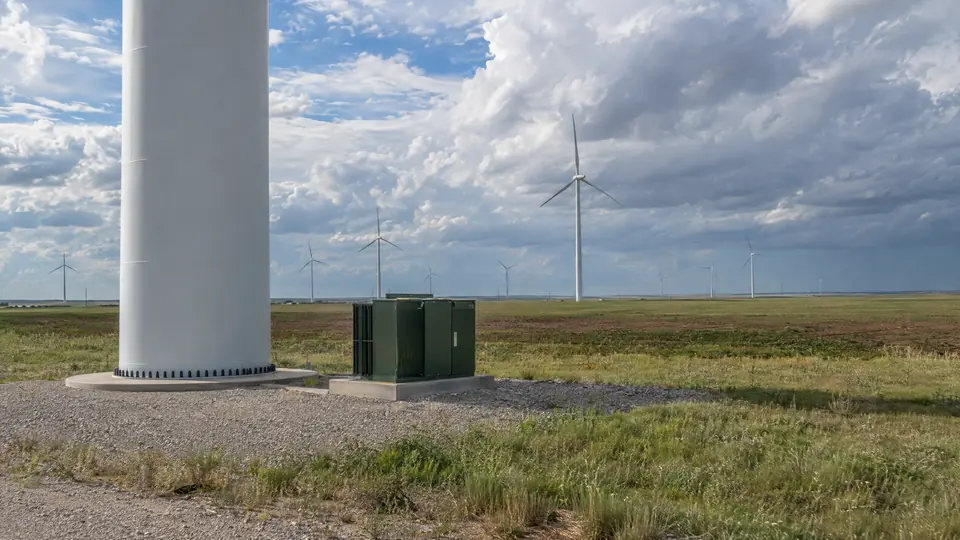
Solar inverter step-up padmounts typically raise inverter output in the 600–800 V class to a 34.5 kV collector system. Wind turbine padmount transformers often raise 690 V generator voltage to 34.5 kV. A collector system gathers output from multiple inverters or turbines before sending it toward the grid connection.
A collector substation transformer commonly raises 34.5 kV to 138 kV or 345 kV. Generator step-up, or GSU, transformers serve generating units at power plants and peaker plants. These larger units belong to the broader category of power transformers, but their generation-side application helps distinguish them.
An enclosure alone does not identify the transformer’s function. A renewable step-up unit may resemble other padmount transformers, while a collector main may resemble other substation transformers. The nameplate, winding voltages and former service are more useful than appearance alone.
Sizes and Voltage Ratings We Buy
Send the actual rating even if your transformer falls outside the sizes listed here. We buy transformers from small pole-mount units through large MVA power equipment; renewable and GSU offers commonly involve 1 MVA to 100+ MVA units. Include every capacity rating shown on the plate, not just the largest number.
Solar and wind project lots may include 2500 kVA transformers, 3000 kVA or 3 MVA units, 3750 kVA units and 5000 kVA or 5 MVA transformers. We also consider 10 MVA units and larger collector or generation transformers. One MVA equals 1,000 kVA.
Include voltage taps, frequency and impedance if they are legible. Taps provide selectable voltage adjustments, while impedance describes the transformer’s opposition to current and matters for fault-current calculations and system matching. For large units, photograph cooling ratings such as ONAN/ONAF: oil natural/air natural cooling and oil natural/air forced cooling using fans.
New Surplus, Used, Retired and Failed Equipment
Project changes can leave new transformers unused, including equipment ordered for an earlier design or a canceled phase. Send photos of the crate or storage arrangement as well as the nameplate. Note whether the unit was ever installed, energized or exposed to damage during handling or storage.
A used step up transformer can be offered while it is still installed or after removal. Explain its operating history as far as you know, including the reason for retirement and any known leaks, overheating, trips or repairs. If several units came from the same project, identify differences instead of describing the entire lot as identical.
We also buy failed units, including transformers with blown fuses, damaged bushings or missing connection components. Describe the failure and show the affected areas clearly. Condition and completeness affect the offer, so separate confirmed damage from suspected problems and include any inspection findings already available.
Who Sells Renewable and Generation Transformers in Texas
Texas leads the United States in wind generation and is a top solar market. Repowering, project revisions and equipment replacements can release transformers before or after installation. Sellers may include project owners, developers, plant managers, electrical contractors, utilities, co-ops and operators of onsite generation.
If you need a solar inverter transformer buyer, identify the inverter-side voltage, collector voltage and number of units available. For a wind turbine transformer buyer, include the turbine application and whether the transformers are installed, stored at the site or already consolidated for removal. These details help distinguish a complete lot from scattered equipment.
Power plant and peaker plant operators looking to sell a GSU transformer should include the generating application and planned removal schedule. Contractors managing site clear-outs or replacement work should identify who owns the equipment and who will coordinate access. A clear inventory helps when several owners, contractors or project phases are involved.
What Drives the Offer
The offer starts with the transformer’s capacity, winding voltages, age, brand and condition. Configuration also matters: a unit suited to one collector system may not fit another. Quantity, location and the practical requirements for moving the equipment are part of the assessment, not details to leave until pickup day.
Available test reports help document condition. Send electrical test results and oil reports, including dissolved gas analysis, or DGA, which measures gases in insulating oil that can indicate internal problems. Include PCB status and supporting records if available; PCBs are polychlorinated biphenyls, substances historically used in some electrical insulating fluids.
Accessories and missing parts also affect the offer. Show radiators, fans, bushings, controls, tap-changing equipment and any detached components included in the sale. For padmounts, identify dead-front connections, which use insulated connectors rather than exposed energized terminals, and loop-feed arrangements that provide connections for continuing the collector circuit.
Describe road access, loading space, surface conditions and any lifting restrictions. A heavy transformer behind a restricted gate presents different freight requirements from one staged beside an accessible loading area. Our guide to used transformer value factors explains why ratings, condition and removal logistics all matter.
Send These Details for a Transformer Offer
Call or text (951) 403-5738, email Industrial832@gmail.com, or use the form to request an offer on your transformer. Start with the information below so we can assess the equipment and respond with an offer. For a mixed lot, label photos by unit or inventory number.
- A readable nameplate photo for each different unit, showing rating, primary and secondary voltage, manufacturer, serial number and other visible specifications.
- Overall photos from several sides, plus close-ups of terminals, accessories, leaks, damage and any loose parts included with the transformer.
- Quantity, site location, your contact details and whether the units are installed, stored, crated or already removed.
- Condition, known operating or failure history, available test reports, PCB records and any missing components.
- Availability for removal, nameplate weight and dimensions if available, plus gate restrictions, loading access and any site-specific freight requirements.
Agree on Terms and Coordinate Pickup
After assessing the details, we respond with an offer and work through the removal arrangements with you. Price, payment terms and pickup details are agreed in writing before anything is loaded. If the equipment or access conditions change, tell us before trucking is arranged.
Before pickup, the seller or a qualified electrical contractor hired by the seller must de-energize and disconnect the unit. We work out trucking and load-out with you. Identify who will handle site access and loading arrangements, and explain whether detached radiators or other components will travel separately.
Frequently asked questions
Will you buy a transformer with blown fuses or missing elbows?
Yes, we buy failed and incomplete transformers. Elbows are insulated cable connectors commonly used on dead-front padmount equipment. Photograph the missing or damaged components, explain any known fault and list the loose parts included so we can assess the actual condition.
Can I get an offer without test reports?
Yes. Send nameplate and overall photos, quantity, location and an honest condition description. Existing reports provide useful information, but you can submit equipment without them. Tell us whether the unit was working when removed or whether its operating condition is unknown.
How heavy is a solar, wind or GSU transformer?
Weight varies with capacity, design, oil volume and accessories; MVA alone is not enough to plan transport. Send the nameplate weight, shipping documents or drawings if available. Include dimensions and note whether the listed weight covers oil and attached components.
Can I offer equipment before a scheduled outage?
Yes. Send the equipment details while it is still installed and include your expected availability. We can assess the equipment and coordinate pickup planning with you. The seller or qualified electrical contractor remains responsible for de-energizing and disconnecting the equipment.
Do you buy a whole project lot with different ratings?
Yes, we buy single units or whole lots, including mixed ratings and conditions. Group the inventory by nameplate specifications and identify damaged or incomplete units separately. Include every storage location if the equipment is spread across the project.