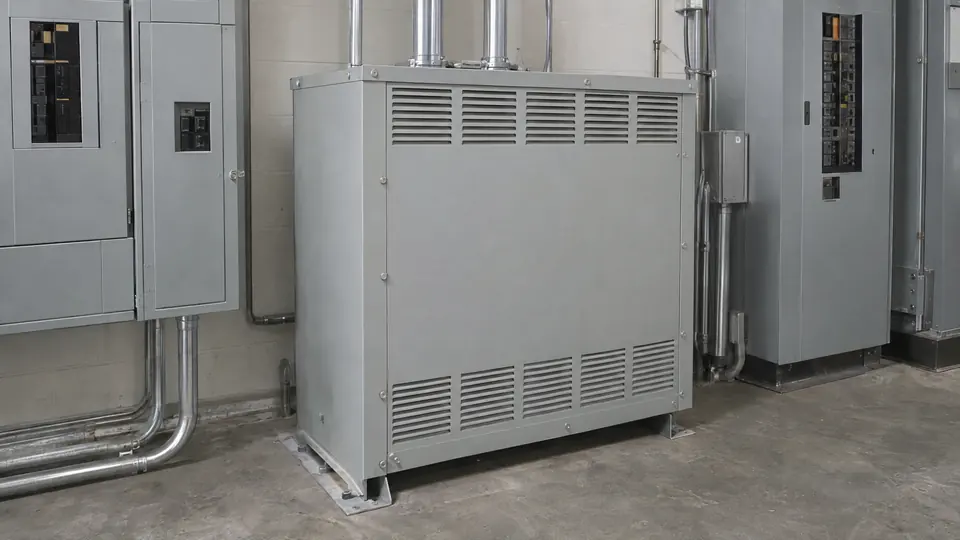
Sell Hammond transformer equipment from your Texas site
Texas Transformer Buyers buys Hammond Power Solutions equipment from facility owners, plant managers, electrical contractors, developers and other sellers across Texas. Our base of operations is 6402 McGrew St, Houston, TX 77087. Equipment does not need to be working for us to consider buying it.
Hammond Power Solutions is a dry-type transformer maker headquartered in Guelph, Ontario. Its general-purpose, K-factor, drive isolation and medium-voltage dry-type units are common in Texas plants and buildings. Whether you have a project overage or equipment removed during an upgrade, start by showing us what you have.
Hammond dry-type, cast coil and surplus units we buy
We buy general-purpose dry-type units, K-factor transformers, drive isolation transformers, and cast coil and medium-voltage dry-type equipment. K-factor ratings describe a transformer's suitability for loads that produce harmonics, or distortions in electrical current. Drive isolation transformers serve electrical drive applications; include the ratings rather than relying on the application description alone.
Dry-type transformers use solid insulation rather than an insulating-liquid tank. Cast coil construction uses windings encapsulated in resin. For equipment-specific details, see our pages for dry-type transformer purchases and cast coil transformers.
New surplus Hammond units often come from project overages. We also buy used Hammond transformers, retired equipment and failed units, individually or as a lot. For Hammond dry-type surplus, tell us whether each unit remains in its crate, was unpacked, or was installed before the project changed. Our new surplus transformer page covers that category.
Find the serial number, manufacture date and ratings
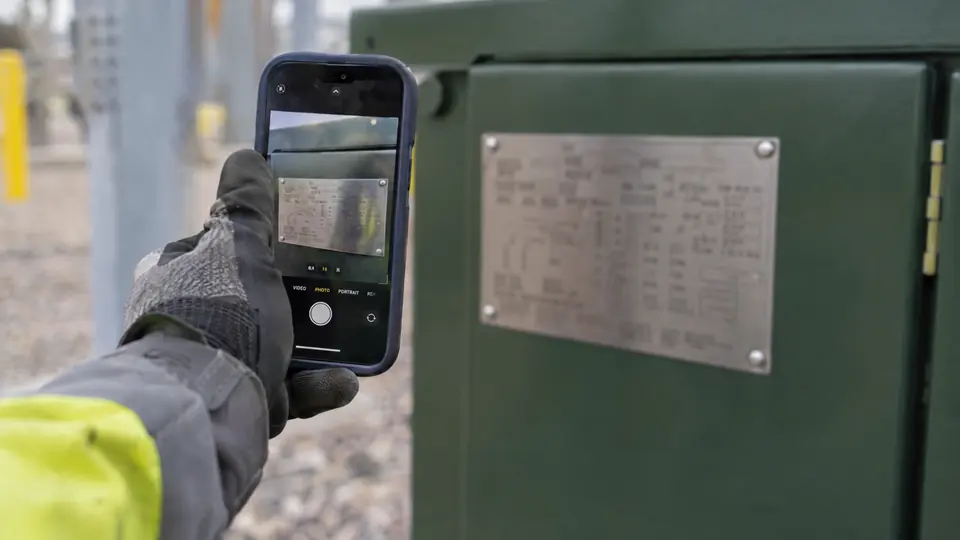
Start with a clear, straight-on photo of the Hammond transformer nameplate. Look on the accessible exterior enclosure surfaces for the identification plate, and photograph any additional rating labels you can safely see. Do not open energized equipment to find a label; have your qualified electrical contractor handle any access that requires electrical work.
Look for fields identifying the serial number and date of manufacture. Include both when they are legible, but do not treat a serial number as a date unless the plate explicitly identifies it that way. If the date is absent or unreadable, send the photo and any available purchase or installation records without guessing.
Capture the kVA rating, primary and secondary voltage, phase, frequency and impedance when listed. kVA means kilovolt-amperes, the transformer's rated apparent-power capacity; primary and secondary voltage identify its input and output ratings. Impedance describes opposition to current and is commonly shown as a percentage. Our guide to reading a transformer nameplate helps you gather these details.
Older and current nameplates need the same careful attention
For an older or current Hammond unit, send the plate exactly as it appears. We do not need you to assign a product generation or identify a model from the enclosure alone. A readable serial number, ratings and any stated manufacture date provide more useful information than a description such as old style or latest version.
If a plate is faded, take one photo showing its full layout and another closer photo of the readable fields. Keep the equipment's labels and records matched to that specific unit, especially when several transformers look alike. If a field cannot be read, mark it unknown rather than filling it in from a neighboring transformer.
How age and condition affect the offer
Age is one part of the evaluation, not a substitute for condition and ratings. An older unit with clear identification and a documented operating history gives us different information than a unit with missing labels or an unexplained failure. Tell us when it was removed from service and why, if you know.
Condition details should cover storage, visible damage, missing parts and whether the transformer was working when disconnected. For failed equipment, describe the known problem without attempting additional testing just for the sale. Existing test reports or maintenance records can help explain the condition, but photos and an accurate description are the starting point.
New-in-crate equipment, installed surplus and retired units should be described separately within a mixed lot. Ratings, quantity, condition and pickup requirements all inform the offer. Read our guide to used transformer value for more context on the information that matters.
What to send your Hammond transformer buyer
Send one organized set of details so we can connect each nameplate to the correct transformer. For multiple units, use simple identifiers such as Unit A and Unit B on your photo list and condition notes. Include these items:
- A readable nameplate photo and overall photos showing each unit, its enclosure, visible damage and any included loose components.
- Quantity, site location in Texas and whether the transformers are crated, installed, disconnected or already staged for loading.
- Known operating condition, reason for removal, missing parts and any available manufacture date, maintenance records or existing test reports.
- Access information, including indoor placement, stairs, loading docks, available lifting equipment and restrictions that may affect truck access.
Agree on the offer and coordinate pickup
Call or text (951) 403-5738, email Industrial832@gmail.com, or request an offer for your Hammond equipment. We assess the details and respond with an offer. Before any equipment leaves the site, the price, payment method and pickup details are put in writing.
The seller, or the seller's qualified electrical contractor, must de-energize and disconnect the equipment. We coordinate freight and load-out with the seller, including the pickup location and loading arrangements. Identify access or lifting constraints early so those details can be addressed before the truck arrives.
Frequently asked questions
Can I sell one Hammond transformer rather than a full lot?
Yes. We buy single units and whole lots. Send the same nameplate, overall photos, location and condition details whether you have one transformer or several.
Do you buy failed Hammond transformers?
Yes. We buy working and failed equipment. Describe the known failure, visible damage and missing components so the evaluation reflects the unit's actual condition.
What if I cannot find the manufacture date?
Send the readable nameplate information and say the date is unknown. Available purchase or installation records may add context, but an installation date is not necessarily the manufacture date.
Can you collect Hammond equipment outside Houston?
Yes. We buy statewide across Texas and coordinate trucking and pickup from our Houston base. Include the site address and loading-access details with your submission.
Does original packaging matter for surplus units?
Tell us whether original packaging is present and photograph its condition. Also state whether the unit was ever installed or energized; packaging alone does not establish its history.