A cast coil transformer buyer for Texas sellers
We buy single transformers and whole lots, any brand, from new equipment still in its crate to units removed after a failure. For cast coil and medium-voltage dry-type equipment, the typical range is 300 kVA to 5,000 kVA. Tell us what you have before deciding whether to sell it individually or include it with a larger equipment lot.
Texas Transformer Buyers is based at 6402 McGrew St, Houston, TX 77087, and buys statewide. We coordinate trucking and pickup with sellers, whether the transformer is stored at a warehouse, sitting in a plant electrical room or awaiting removal during a redevelopment project.
Call or text (951) 403-5738, email Industrial832@gmail.com, or request an offer on your equipment. Start with clear photos and the equipment location; include any known damage or missing parts so the offer reflects the actual unit rather than an assumed complete assembly.
Cast coil transformers sizes we buy
Identify cast resin, VPI and related dry-type equipment
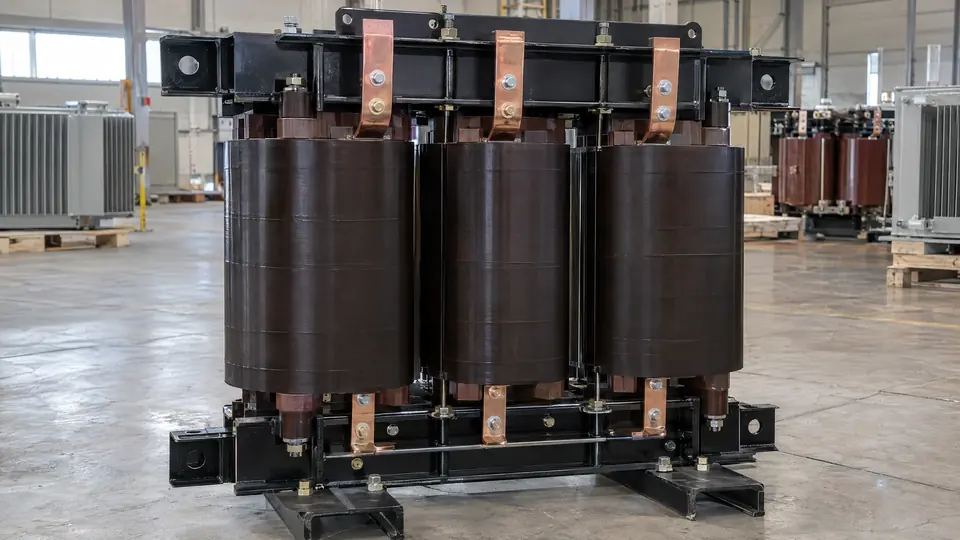
Cast resin, also called cast coil, transformers have windings encapsulated in resin. VPI means vacuum pressure impregnated: the windings are treated with insulating material through a vacuum-and-pressure process rather than cast into a solid resin body. Both are dry-type designs, meaning the transformer does not use a liquid-filled tank for winding insulation and cooling.
A medium-voltage dry-type transformer commonly belongs to the 5 kV or 15 kV class, with some designs in the 25 kV or 35 kV class. These classes describe an equipment voltage category, not necessarily the exact operating voltage. Photograph the primary and secondary voltage entries—the incoming and outgoing voltage ratings—rather than identifying the unit by enclosure appearance alone.
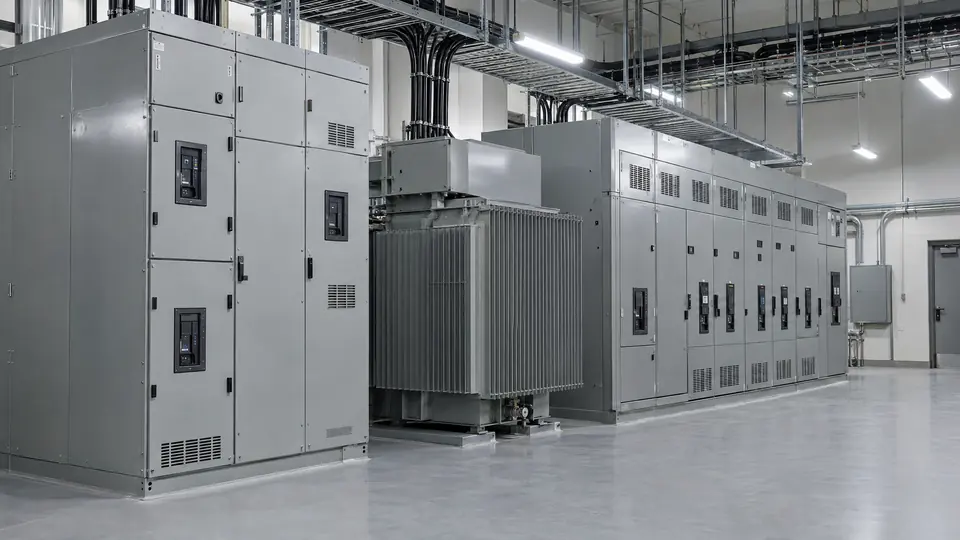
These units often form part of a unit substation assembly, connected to incoming switching equipment and outgoing distribution equipment. They differ from liquid-filled padmounts and from many smaller low-voltage dry types. If you are unsure which construction you have, send the nameplate and safely accessible coil photos; our broader dry-type transformer page covers related equipment.
Sizes, voltages and cooling ratings we assess
Common sizes include 500, 750, 1,000, 1,500, 2,000, 2,500 and 3,000 kVA within the typical 300–5,000 kVA range. kVA means kilovolt-amperes, a measure of transformer capacity; 1,000 kVA equals 1 MVA, or megavolt-ampere. Sellers can also consult our pages for 500 kVA transformers and 1,000 kVA or 1 MVA units.
Send every capacity rating shown on the plate. A transformer may have a base rating and a higher fan-assisted rating, so listing only the largest number can leave important details out. Fans and temperature controllers can support added capacity, but the nameplate ratings and the equipment supplied with the unit need to be considered together.
Include primary voltage, secondary voltage, available taps and impedance if readable. Impedance describes the transformer's electrical opposition to current and matters when evaluating its suitability for another installation. As a VPI transformer buyer, we want the actual design and ratings, not just a general description such as medium voltage or indoor transformer.
New surplus, used, retired and failed units
We buy unused units left over from canceled projects, procurement changes or revised electrical designs. For crated equipment, photograph the crate labels, shipping paperwork and accessible nameplate without damaging the packaging. Our new surplus transformer information also applies to equipment that never entered service.
A used cast coil transformer may be available after a capacity upgrade, plant closure, building renovation or equipment consolidation. Tell us when it last operated, why it was removed and whether it was stored indoors afterward. Retired does not automatically mean failed, and a unit removed while working should be described differently from one that tripped during a fault.
Failed equipment is also worth submitting for an offer. Describe cracked resin, damaged windings, overheating, contamination, controller faults or missing components as specifically as possible. Do not energize equipment or conduct tests just to obtain an offer; existing records and photographs give us a starting point without requiring a new operating demonstration.
Where Texas cast coil transformers become available
Hospitals, high-rises, data centers and industrial plants use medium-voltage dry-type designs indoors where liquid-filled units are restricted. Facility owners and project managers may have equipment to sell when a building changes use, an electrical room is rebuilt or a replacement transformer has already been installed. Electrical contractors may handle the sale for an authorized owner.
We assess equipment from projects in Irving, Richardson, Sherman, Austin, College Station, Midland, Beaumont and Lubbock, as well as elsewhere in Texas. If you have a data center dry-type transformer available after a capacity change, identify whether it is a spare, a removed operating unit or unused project inventory. Those distinctions help explain its condition and documentation.
Developers, utility and co-op staff, plant managers and oilfield operators can also submit owned equipment or authorized surplus lots. For a multi-unit project, label each transformer in the photos and list its location separately. That avoids mixing ratings or conditions when similar enclosures contain different transformers.
What drives the offer on your transformer
A cast coil transformer buyer needs more than capacity to evaluate equipment. Rating, primary and secondary voltages, age, brand and winding construction all help define the unit. Coil condition and enclosure condition matter, along with whether the supplied fans, temperature controller, sensors and other accessories are complete.
Existing test reports help document condition. Partial discharge results are especially useful: partial discharge is localized electrical activity within or around insulation that can indicate insulation problems. Include report dates and identify which unit each report covers. Share any existing PCB status documentation too; PCB means polychlorinated biphenyls, substances historically used in some electrical insulating materials, and dry-type construction alone is not a substitute for available records.
Quantity, location and load-out access also affect the offer. A complete lot at an accessible loading area presents different freight requirements from a single unit deep inside a building. For more context, see factors affecting used transformer value. We evaluate the submitted details and respond with an offer rather than assigning value from kVA alone.
What to send for a cast coil transformer quote
To sell a cast resin transformer, send one organized set of information for each unit or matching group. A readable nameplate is the best starting point; use our guide to reading a transformer nameplate if you need help locating the ratings. Take photos only from positions you can access safely.
Include the following details so we can assess the equipment and plan around its location. If something is unknown, say so rather than estimating a voltage, weight or condition.
- Nameplate photo showing manufacturer, serial number, capacity, voltages, cooling ratings, impedance and listed weight where available.
- Overall photos of the enclosure, accessible coils, accessories, connection areas and any visible damage or missing components.
- Quantity, city, pickup address, current condition, service or storage history, and the reason the equipment is available.
- Available test reports, drawings and PCB documentation, plus details about loading access, door clearances, stairs, docks or overhead restrictions.
Pickup, freight and written sale terms
Trucking and load-out are arranged with you in advance. Before scheduling, describe whether the unit is crated, loose, mounted on a base or still part of a substation. Include its documented weight and dimensions when available, and explain how it can move from its current position to the truck loading area.
The seller, or the seller's qualified electrical contractor, must de-energize and disconnect the equipment. Let us know whether that work is complete or still needs to be arranged. Access and handling requirements should be settled before the truck arrives, especially for indoor equipment that must pass through narrow doors or shared work areas.
Nothing is loaded until the price, payment terms and pickup plan are confirmed in writing. The written agreement should reflect the equipment being sold and the planned load-out arrangements. Keep the identified units and included accessories together so the pickup matches the offer.
Frequently asked questions
Will you buy a transformer without test reports?
Yes, you can submit it without test reports. Send the nameplate, overall photos and an honest condition description. Existing reports help document insulation and operating condition, but missing reports do not prevent us from assessing the unit.
Do you buy units with blown fuses or missing connectors?
We buy failed and incomplete equipment. Identify blown fuses, missing connectors or elbows where fitted, and any known fault damage. Include photos of the affected areas and clarify whether those parts belong to the transformer or adjacent switching equipment.
How heavy is a cast coil transformer?
Weight varies with capacity, construction, enclosure and attached equipment. Use the nameplate, manufacturer's drawing or shipping record rather than estimating from kVA. Send dimensions too, because both weight and physical size matter when coordinating freight and load-out.
Can I sell the transformer with its substation equipment?
We buy single units and whole lots. Send an overall assembly photo and separate nameplate photos for the transformer and accompanying equipment. Specify what is included in the sale and whether the assembly will remain together or be separated before pickup.
Does the transformer need to be disconnected before I request an offer?
You can request an offer while it is still installed using safely obtained photos and records. Explain its current status and removal plans. The seller or a qualified electrical contractor must de-energize and disconnect it before load-out.