Buying surplus transformers from electrical contractors
A transformer ordered for one project can become surplus before it ever reaches the jobsite. Revised service requirements, a changed building layout, or an owner rejection can leave a contractor holding equipment that no longer fits the scope. Even an unopened unit takes up warehouse space and ties up cash.
Other equipment comes out during renovations, service upgrades, or plant shutdowns. Used dry-types, padmounts, and small unit substations may sit in a yard for months while the contractor decides what to do with them. We buy new surplus, used, retired, and failed transformers, whether you have one leftover unit or a whole lot.
For electrical contractors selling surplus transformers, the first step is identifying what is available and who controls its sale. Separate contractor-owned stock from equipment that still belongs to a project owner, and identify any release approval needed before arranging pickup.
Dry-types, padmounts, and unit substations we buy
We buy any brand, from 10 kVA pole-mounted units to large MVA substation and power transformers. kVA and MVA describe a transformer's rated power capacity. For contractor surplus, the equipment below is especially relevant; include the full nameplate rather than estimating its rating from enclosure size.
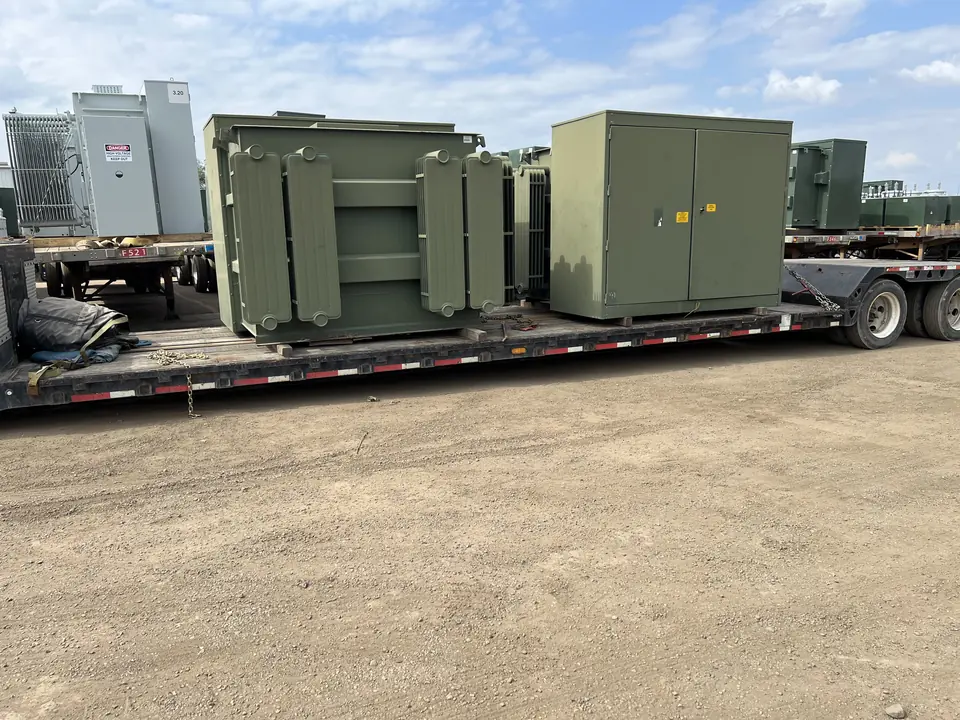
- Dry-type transformers include indoor distribution units removed during tenant improvements, voltage changes, and electrical upgrades. Photograph the enclosure, terminals, and any visible damage, along with the nameplate.
- Three-phase padmount transformers may be new project leftovers or units retired from service. Show the cabinet and compartments when safe to access, and identify missing doors, bushings, or other components.
- New surplus transformers can be unopened, crated, or uninstalled equipment left after a change order. Include packaging condition and any shipping or purchase documents that help identify the unit.
- Unit substations may include a transformer and associated switching or distribution sections. Show the complete assembly and explain which sections are included in the sale.
Photos and records that help us assess your equipment
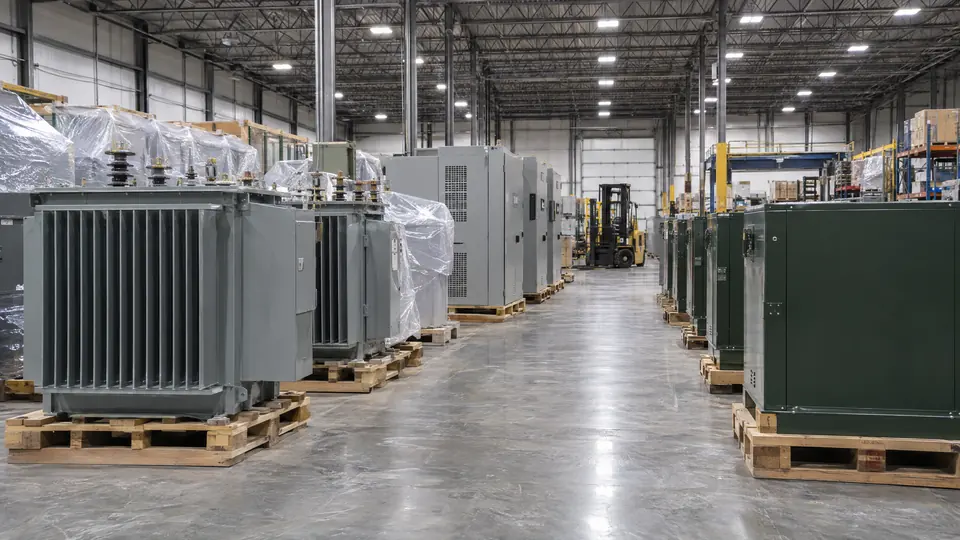
Send a readable nameplate photo for each different unit, plus overall photos that show its condition. Primary and secondary voltage identify the incoming and outgoing voltage ratings; impedance describes opposition to current and helps identify the unit's electrical characteristics. These details matter when assessing wrong-voltage stock or equipment removed from a specific system.
Test reports and one-line diagrams can add useful context. A one-line is a simplified drawing of the electrical system that may show how a transformer was connected. Tell us whether the equipment was working when removed, has a known failure, or has not been tested.
For liquid-filled equipment, photograph any PCB label and include available oil-testing records. PCB refers to polychlorinated biphenyls, chemicals associated with some older insulating fluids. Share the documentation you have rather than guessing about oil contents, and flag leaks, damaged tanks, or missing labels in your initial description.
Single leftovers and lots spread across several projects
One wrong-voltage transformer is worth submitting for an offer; you do not need a fleet to contact us. We also buy whole lots, including mixed brands, different ratings, and equipment in different conditions. Keep new-in-crate stock clearly distinguished from used or failed units.
For a larger lot, make a simple inventory with a unit identifier, rating, voltage, condition, and location. Match each identifier to its photos so similar-looking transformers do not get mixed up. If equipment is stored at several yards or jobsites, group the list by pickup address.
Electrical contractors with transformer surplus in Texas can submit the available lot together and explain any project-release dates. Identify which units are ready now and which remain installed or committed to a job. That gives us a basis for discussing the sale and coordinating the load-out.
Plan safe access and a workable pickup schedule
Disconnection and de-energizing stay with the seller or the seller's qualified electrical contractor. We coordinate trucking and load-out with the seller. Price, payment terms, and pickup details are agreed in writing before anything is loaded.
Describe the route from the transformer to the loading area, not just the street address. Gate restrictions, narrow drives, overhead clearances, loading docks, and soft ground can affect the plan. Include available weight information and explain whether a unit is crated, palletized, loose, or still mounted.
For occupied facilities or active construction sites, identify the person controlling access and any required check-in procedures. Tell us about shutdown windows, restricted delivery hours, and other trades working near the equipment. Before scheduling, explain what lifting equipment is available and what arrangements need to be made.
Houston-based buying with pickup across Texas
Texas Transformer Buyers has its yard and office at 6402 McGrew St, Houston, TX 77087. We buy statewide and coordinate trucking and pickup, so equipment does not have to be located in Houston for you to submit it.
We buy contractor equipment in Greater Houston and the Upper Gulf Coast and throughout Dallas–Fort Worth and North Texas. That includes surplus located in Fort Worth, Arlington, Plano, Irving, Garland, and Grand Prairie. Give us the actual storage or jobsite address for each group of units.
Projects in Austin and Central Texas and San Antonio and South Texas can also submit equipment for an offer. Location, site access, and readiness for loading help shape the pickup discussion, whether the transformer is at a contractor warehouse or an owner's facility.
Send your transformer details to start an offer
To sell surplus transformers from electrical contractors, call or text (951) 403-5738, email Industrial832@gmail.com, or request an offer for your equipment. Include the photos and equipment details outlined above, along with the best contact for sale approval and site coordination.
We assess the information and respond with an offer. Mention any missing parts, known problems, or storage restrictions up front so the discussion reflects the equipment being sold. Selling unused stock can free yard space and cash for the next job without keeping unwanted units in storage.
Frequently asked questions
Can you buy a transformer rejected by the project owner?
Yes, we buy owner-rejected equipment, including new and uninstalled transformers. Explain why it was rejected, describe its current condition, and confirm who can authorize the sale.
Do you buy used transformers from electrical contractors?
Yes. We buy working, retired, and failed transformers as single units or whole lots. Include known failure details and photographs of any damage.
What if I do not have test reports?
Send the nameplate and overall photos, quantity, location, and known condition. Include any available records, but do not describe untested equipment as tested or working without a basis.
Can a lot include several transformer types?
Yes. List each type separately and match photos to individual units. Identify which associated substation sections or other components are included so the proposed sale is clear.
Who handles disconnection and pickup?
You or your qualified electrical contractor handle de-energizing and disconnection. We coordinate freight and load-out with you, with the sale terms and pickup details agreed in writing before loading.