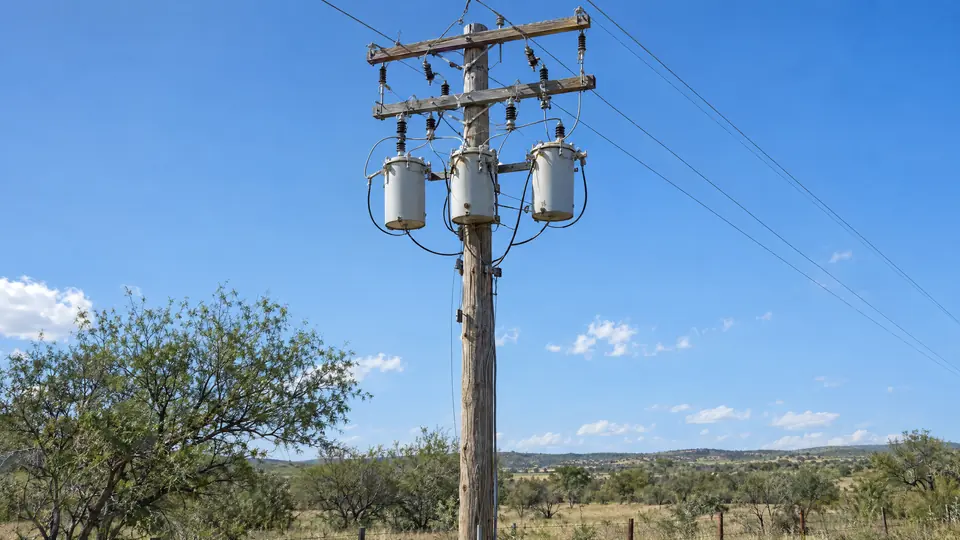
Utility & co-op surplus transformer buyers for Texas yards
Retired transformers, construction overstock and storm-replaced units can accumulate across a utility’s service yards. Capacity upgrades may leave working equipment behind, while project changes can strand new units still in their crates. Separate those categories before requesting an offer so the equipment’s status is clear.
We buy any brand, from 10 kVA pole-mounts to large MVA substation and power transformers. kVA and MVA describe apparent-power capacity; one MVA equals 1,000 kVA. A single retired unit is worth submitting, and a mixed lot does not need to contain identical ratings or designs.
Utilities, co-ops and municipal utilities can sell surplus transformers by sending an inventory with photos rather than treating every unit as a separate inquiry. Identify which equipment is available for sale and which remains reserved for service. That distinction helps keep operational spares out of the proposed lot.
Equipment from distribution spares to substation units
Distribution lots often include pole-mount transformers, loose units awaiting inspection and unused stock. Photograph the nameplate and the complete tank, including bushings, mounting hardware and any visible damage. For crated equipment, include the crate markings and accessible identification without disturbing secure packaging.
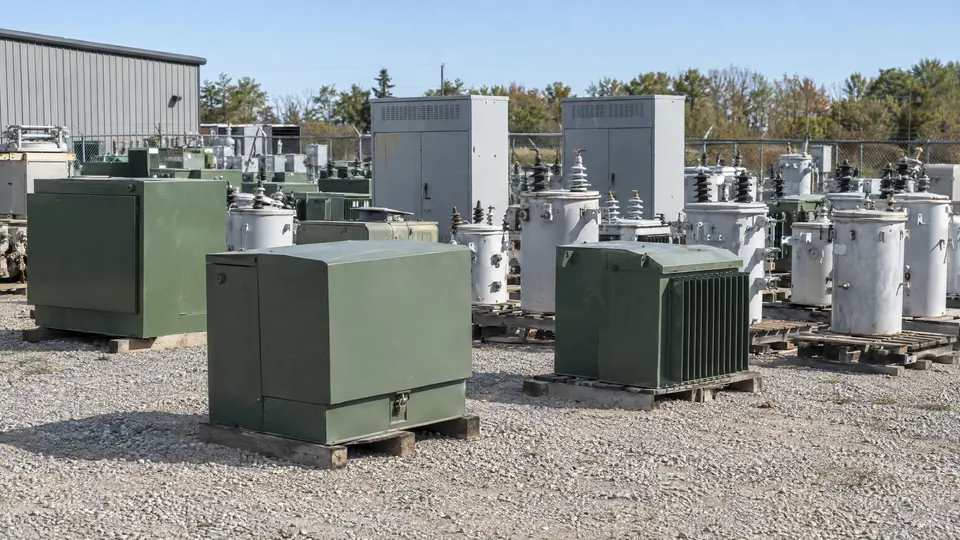
Single-phase padmounts and three-phase padmount transformers should be identified separately. If known, note whether a unit is dead-front, with insulated cable connections, and whether it is loop-feed, with connections that support a distribution loop. Include cabinet condition and missing components.
Larger lots may include substation transformers, spare power transformers and mobile substations. Show radiators, cooling fans, bushings, controls and associated equipment in the photos. For mobile equipment, document what is included on the trailer or skid rather than assuming every pictured component belongs to the sale.
Single units, mixed lots and fleet inventories
A single failed transformer needs a clear description of its condition, not a polished sales package. State whether it failed in service, was removed after damage or simply has not been tested since retirement. We buy working and failed equipment, so an accurate description is more useful than an unsupported assumption.
For a fleet or yard cleanout, use a spreadsheet with one row per unit or clearly identified group. Match each row to photos using an asset number, serial number or temporary inventory tag. Group identical stock where practical, but flag differences in voltage, condition and included accessories.
Texas transformer surplus from utilities, co-ops and municipal utilities may be spread across several yards. List quantities and addresses by location, with a contact for each proposed pickup point. We assess the submitted details and respond with an offer for the equipment being proposed.
- Separate new stock, used working units, untested retired units and known failures.
- Identify loose accessories, spare bushings and detached radiators that belong with specific transformers.
- Mark any units that require internal approval before they can be released.
Documentation that helps us assess the equipment
Start with readable nameplate photos showing capacity, primary and secondary voltage, phase and serial number. Primary voltage is the supply-side rating; secondary voltage is the output-side rating. Impedance, the transformer’s opposition to current flow, is another useful nameplate detail when present.
Existing test reports can add context to used transformers from utilities, co-ops and municipal utilities. Include available electrical test results, maintenance records and DGA reports. DGA means dissolved gas analysis, an oil test used to help assess internal conditions; note the report date so older results are not mistaken for current testing.
For substation equipment, a one-line diagram—a simplified drawing of electrical connections—can clarify the equipment’s role and configuration. Include cooling ratings such as ONAN/ONAF, meaning oil natural/air natural and oil natural/air forced. These indicate ratings with natural cooling and with fan-assisted air cooling.
Photograph PCB labels and provide any existing oil-analysis records. PCB stands for polychlorinated biphenyls, substances historically used in some electrical insulating fluids. Report what the documentation says, and identify missing or unreadable labels rather than assigning an unsupported status.
Site access, electrical safety and pickup scheduling
The unit has to be de-energized and disconnected by the seller or the seller's qualified electrician. We schedule the freight and load-out together with the seller. Confirm which units are ready for removal and which depend on an outage, replacement installation or other work.
Describe truck access before arranging pickup: gate width, overhead restrictions, paved or unpaved surfaces and the route to the equipment. Note whether units sit on racks, foundations, trailers or open yard space. Provide known dimensions and weights, and identify available loading equipment or load-out needs.
Schedule around operating-yard traffic, controlled access and the site’s safety procedures. Tell us about visitor check-in, escorts, delivery windows and any restrictions on loading areas. Price, payment terms and pickup details are agreed in writing before anything is loaded.
Statewide buying with location-specific freight planning
Our yard and office are at 6402 McGrew St, Houston, TX 77087, and we buy transformers across Texas. Sellers in the Panhandle and South Plains, including Amarillo, Lubbock and Plainview, can submit equipment without bringing it to Houston first.
We also assess lots in East and Southeast Texas, including Texarkana, Lufkin and Nacogdoches, as well as Austin and Central Texas. Give the equipment’s actual pickup location rather than only a billing address. Access and loading details matter whether the lot is at a central warehouse, rural service yard or substation.
Start with photos and an inventory
To work with utility & co-op surplus transformer buyers, start with the equipment details already available. Call or text (951) 403-5738, email Industrial832@gmail.com, or request an offer for your transformer lot. Include nameplate and overall photos, quantity, location and condition.
Add your contact information, available records and any release or scheduling constraints. For a large lot, send the inventory with photos tied to each entry. We assess the details and respond with an offer; the agreed written terms then establish price, payment and pickup arrangements.
Frequently asked questions
Can we submit both new surplus and failed transformers?
Yes. We buy new-in-crate, used, retired and failed transformers, including mixed lots. Identify each unit’s condition and keep known failures separate from equipment that is merely untested.
Do we need test reports before requesting an offer?
Start with nameplate photos, overall photos, quantity, location and condition. Send existing test reports and oil records when available, and clearly identify information you do not have.
Can a lot include equipment at multiple service yards?
Yes. List each pickup address, the units located there and site contacts. Include access restrictions and loading arrangements for each yard so freight and load-out can be coordinated.
Who disconnects a transformer still connected at a substation?
The seller or the seller’s qualified electrical contractor must de-energize and disconnect it. Identify any outage or replacement work that must happen before the equipment is available for removal.
How are the sale and pickup terms confirmed?
Price, payment terms and pickup details are agreed in writing before loading. Provide release requirements and scheduling constraints with your submission so they can be addressed in those arrangements.