Bitcoin mining transformer buyers for changing sites
Mining sites can release substantial transformer inventory when projects consolidate, hardware changes or facilities convert to AI or data center use. Equipment ordered for an expansion may remain unused, while a revised distribution layout can leave installed units without a role. Retired and failed transformers also need a defined path out of the site.
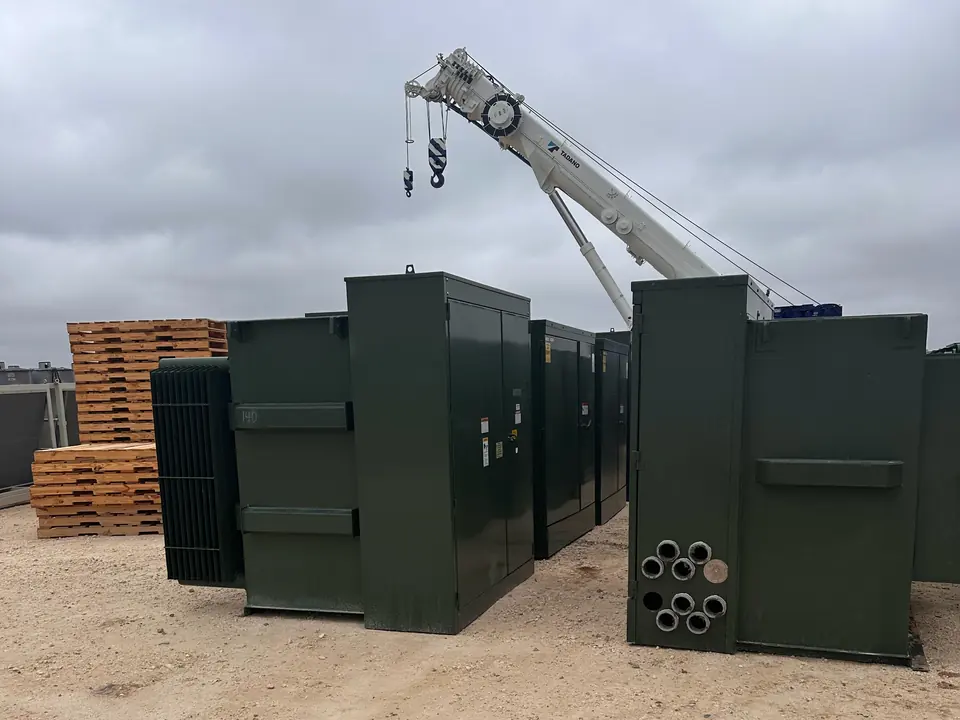
Texas hosts some of North America's largest bitcoin mining sites, including facilities in Rockdale and Corsicana. These operations often deploy fleets of identical large padmounts and substation transformers. That makes accurate counts and consistent equipment identification especially useful when several rows or phases of a project become available.
We buy single transformers or whole lots, any brand, working or failed. If you want to sell surplus transformers from bitcoin and crypto mining, start with the inventory you actually have available, including unused spares and equipment removed from service.
Padmounts, substation transformers and unused inventory
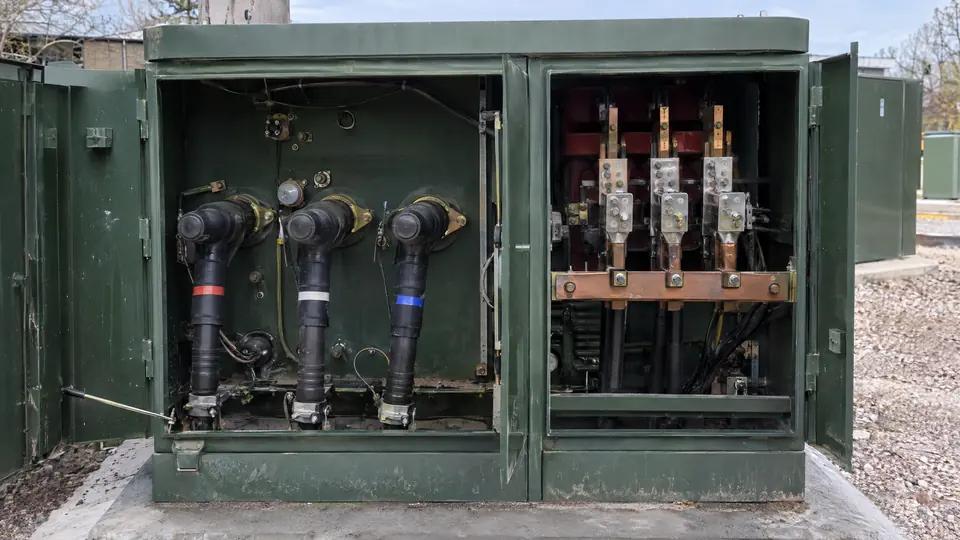
Large three-phase padmount transformers are a common part of mining distribution fleets. Include the kVA rating, which describes apparent power capacity, along with primary and secondary voltage—the incoming and outgoing voltage ratings. Photos should show the cabinet, cooling surfaces and accessible connection compartments without opening energized equipment.
For substation and power transformers, include the MVA rating, equivalent to thousands of kVA, and any available cooling information. ONAN/ONAF identifies natural oil circulation with either natural air cooling or fan-assisted air cooling. These details help distinguish units that look similar but have different operating ratings.
We also buy new surplus transformers, including equipment still in crates, and unit substations, which combine a transformer with associated switching or distribution equipment. Identify which components are included in the sale. Our buying range extends from 10 kVA pole-mounts to large MVA substation and power transformers.
Build a clear inventory for a single unit or fleet
A single-unit submission can begin with a readable nameplate photo, overall photos, quantity, location and condition. For used transformers from bitcoin and crypto mining sites, distinguish working equipment from retired units with unknown condition and units with a known failure. Describe visible damage, leaks or missing components rather than assuming every unit in a row is equivalent.
For fleets, use a simple inventory sheet that ties each unit or matching group to its photos. If specifications vary, separate the groups by rating and configuration. Labeling units by site identifier helps everyone refer to the same equipment during assessment and pickup planning.
Bitcoin mining transformer buyers need enough detail to understand both the equipment and the lot being offered. A complete fleet inventory is useful even if only part of the equipment is ready for removal. Identify which units are available now and which remain committed to operating loads.
- List quantities by rating, voltage and condition, with serial numbers where available.
- Photograph representative matching units, then document exceptions such as damage or missing accessories.
- State whether spare parts, fans, radiators or associated cabinets are included with each group.
Test reports, one-lines and PCB documentation
Existing test reports can add useful context to a nameplate and condition description. Include available electrical test results and oil reports, with dates and unit identifiers. DGA, or dissolved gas analysis, measures gases in insulating oil and can help explain a transformer's operating history or a reported fault.
A one-line diagram is a simplified drawing of the electrical distribution system. It can clarify where a transformer sits in the mining site's power layout and what associated equipment belongs with it. Nameplate impedance, the transformer's opposition to current flow expressed as a percentage, is another useful specification when comparing otherwise similar units.
Photograph available PCB labels and share existing oil documentation. PCB means polychlorinated biphenyls, substances historically used in some electrical insulating fluids. For bitcoin and crypto mining transformer surplus in Texas, keep those records tied to the specific units rather than assigning one unit's documentation to an entire fleet.
Plan safe access, load-out and site scheduling
De-energizing and disconnecting the transformer is handled by the seller or the seller's qualified electrical contractor. We work out trucking and load-out with you. Set the removal boundary clearly so active mining infrastructure is not confused with the equipment being sold.
Before scheduling, describe gate access, truck routes, surface conditions and any restrictions around the transformer locations. Include known dimensions and weights when available, plus photos showing the path from the units to the loading area. Tight turns, overhead obstructions and soft ground are important planning details.
For a fleet removal, identify site access hours, required check-in procedures and whether equipment becomes available in stages. Coordinate the plan with ongoing operations and the personnel responsible for site access. You get the price, payment terms and pickup details in writing before a truck is loaded.
Statewide buying from a Houston base
Our yard and office are at 6402 McGrew St, Houston, TX 77087, and we buy transformers statewide. We coordinate trucking and pickup for mining equipment located elsewhere in Texas. Give the actual equipment location, not just the company's mailing address.
That includes projects in Austin and Central Texas, along with sites across Dallas–Fort Worth and North Texas. Whether the inventory is in Austin, Richardson, Midlothian, Corsicana, Sherman or Wichita Falls, the starting information is the same.
For sites in West Texas and the Permian Basin, include directions and any access restrictions that affect trucking. A remote location or multiple storage areas should be noted in the initial submission so pickup planning reflects where the equipment actually sits.
Send your equipment details for an offer
Call or text (951) 403-5738, email Industrial832@gmail.com, or request an offer for your mining transformers. Send the nameplate photo, overall photos, quantity, location and condition. We assess those details and respond with an offer.
For larger submissions, attach the inventory sheet and available supporting records, then identify a contact who can clarify equipment and site access questions. The guide to selling a transformer in Texas is another useful starting point. Keep the proposed sale scope clear, especially when transformers and connected distribution equipment are being handled separately.
Frequently asked questions
Do you buy a whole fleet of matching mining transformers?
Yes. We buy whole lots as well as single units. Send the total quantity, specifications, condition and location, and identify any differences within the fleet.
Can I offer failed transformers or units with unknown condition?
Yes. We buy working or failed transformers. Describe known problems and distinguish untested equipment from units with documented failures.
Do transformers need to be unused or still in crates?
No. We buy new surplus, used and retired equipment. Include packaging photos for crated units and overall condition photos for installed or stored equipment.
Who handles electrical disconnection before pickup?
The seller or the seller's qualified electrical contractor handles de-energizing and disconnection. We coordinate freight and load-out with the seller.
What happens after I submit the equipment information?
We review what you send and come back with an offer. We confirm the price, how payment is made and the pickup arrangements in writing before loading starts.