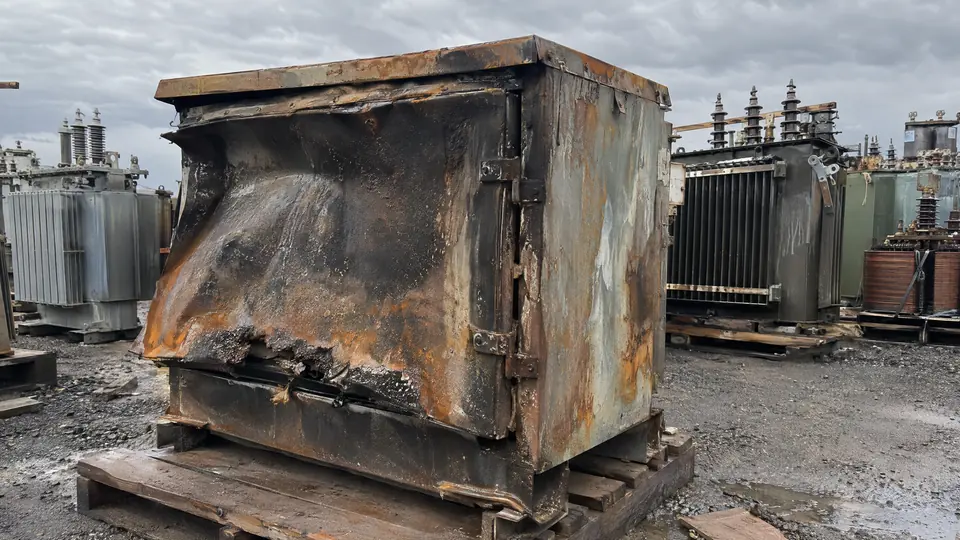
Texas storms and the damage they leave behind
Hurricanes Harvey in 2017, Laura in 2020 and Beryl in 2024 affected Texas communities and electrical infrastructure in different ways. Harvey brought extensive flooding, Laura affected East Texas, and Beryl caused widespread wind damage and outages. Winter Storm Uri in 2021 added a different set of concerns: extreme cold, ice and prolonged power interruptions.
The event name alone does not establish a transformer's condition. Wind can damage bushings, move equipment or pull on connected conductors. Floodwater can reach cable compartments and enter through compromised seals. Freezing conditions can affect vulnerable components, while outage and restoration events may expose equipment to electrical faults.
Describe what happened at the equipment's actual location. A hurricane damaged transformer exposed only to wind needs a different evaluation from one submerged in contaminated water. Record the approximate water depth, exposure duration and any known fault or fire event rather than assuming every unit from the same storm has similar damage.
Why a flooded transformer cannot simply be re-energized
A flooded transformer should not be treated as ready for service just because the exterior has dried. Water, mud, salts and other contaminants can remain in termination compartments, insulation and accessories. These materials can reduce insulation performance, promote corrosion and create paths for electrical tracking or flashover.
For liquid-filled equipment, an intact tank may protect the internal assembly, but that must be evaluated rather than assumed. Damaged gaskets, bushings, fittings or seals can allow moisture into the insulating fluid. Dry-type transformers have different vulnerabilities because their coils and insulating surfaces may be directly exposed.
Qualified personnel should determine the inspection and testing needed before any proposed return to service. Depending on the design and damage, that may include insulation testing, winding resistance, transformer turns ratio and fluid analysis. DGA, or dissolved gas analysis, examines gases in insulating fluid that can indicate internal electrical or thermal problems; it is not a substitute for a full flood-damage assessment.
- Keep affected equipment isolated from electrical sources until qualified personnel authorize further work.
- Record whether water reached only the base, entered compartments or rose above bushings and tank fittings.
- Do not open covers, drain fluid or enter wet electrical spaces merely to obtain better sales photos.
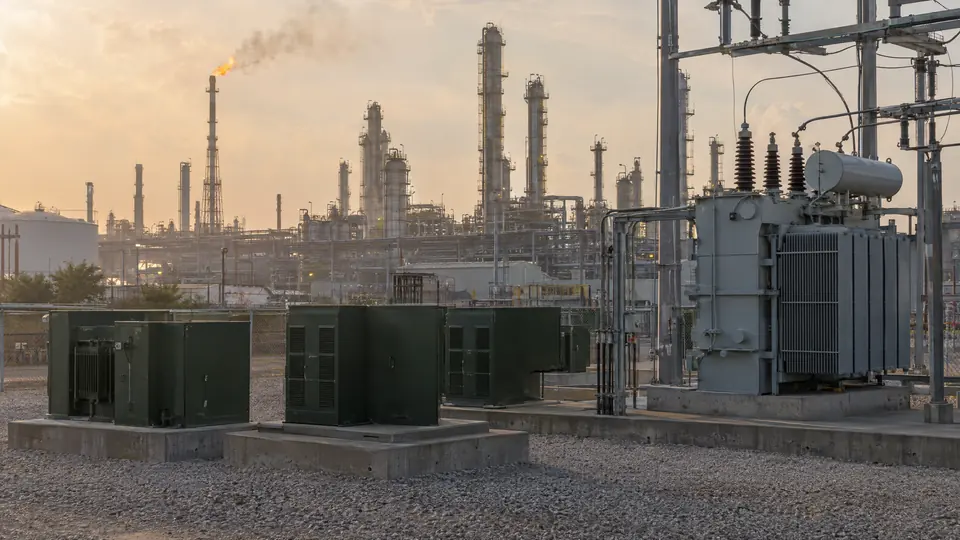
Insurance replacement and ownership of the old unit
An insurance-funded replacement does not automatically make the removed transformer available for sale. Policies, settlement agreements and project contracts can give an insurer, utility, equipment owner or another party rights to the damaged unit. Confirm ownership and salvage rights before accepting an offer.
Keep the claim documentation separate from the sales description, but retain records that explain the replacement decision. Inspection findings, repair estimates and the insurer's disposition instructions can help establish what is known about the damage. Avoid representing a replacement decision as proof that the old unit is either repairable or beyond repair.
If removal is part of a larger restoration project, identify who controls access and who is responsible for staging the equipment. Agree on whether the sale includes accessories, spare parts or attached cabinets. A clear inventory prevents confusion when the replacement contractor and freight carrier arrive on different schedules.
- Verify written authority to sell and whether the claim requires inspection before removal.
- Preserve requested evidence, including nameplates, damage photos and inspection reports.
- Confirm that the sale and pickup will not interfere with the insurance claim or restoration contract.
Evaluating a storm damaged transformer for repair or recovery
Repair, rewind and material recovery are different routes. Repair may address damaged external parts, leaks, accessories or contamination. A rewind replaces winding assemblies and usually involves a more substantial shop evaluation. Neither option should be selected from exterior photos alone.
The decision depends on damage severity, equipment design, available parts, transportation costs and the value of a usable replacement. A large specialty transformer may justify extensive evaluation, while a smaller standard unit with severe internal damage may not. Capacity, primary and secondary voltage, and impedance—the electrical characteristic that affects voltage drop and fault current—help establish suitability.
A buyer's offer is not the same as a repair estimate from a transformer service specialist or authorization to energize. Share existing test results and known defects so the intended disposition is clear. The guide to factors that affect used transformer value explains why condition and specifications matter, while selling a transformer for scrap recovery covers another possible route.
- Repair candidate: damage appears localized, with supporting inspection and test information.
- Rewind candidate: winding damage warrants specialist assessment of the core, tank and rebuilding costs.
- Recovery candidate: repair is impractical, major components are damaged or useful operating specifications cannot be established.
Build a useful photo and documentation package
Good documentation reduces guesswork. Begin with a readable nameplate photo and overall views from safe, accessible positions. Include the equipment's quantity, location, known condition and whether it remains installed or has already been disconnected and staged.
Nameplate details should include capacity in kVA or MVA, the units used to express transformer apparent power, along with voltage ratings and configuration. For larger liquid-filled units, include cooling ratings such as ONAN/ONAF, meaning natural oil circulation with natural or forced air cooling. Photograph the actual plate rather than relying on a purchase order for a replacement.
Identify uncertainty honestly. Say that water reached a particular height or that internal condition has not been assessed. For older liquid-filled equipment, include any available PCB records; PCBs are polychlorinated biphenyls, substances subject to special handling requirements. The transformer selling checklist provides a broader preparation sequence.
- Photograph the nameplate, full unit, visible waterline, damaged bushings, leaks and distorted panels.
- Provide available inspection reports, fluid tests, maintenance records and fault information.
- Describe access restrictions, approximate dimensions and documented weight if available.
- List missing parts and distinguish storm damage from pre-existing defects.
Safe disconnection, removal and transport planning
Only qualified electrical personnel should assess isolation, de-energize and disconnect the equipment. That work includes identifying possible backfeed sources, applying the appropriate lockout procedures and verifying the electrical condition before handling. Standing water and storm-damaged enclosures make casual access particularly hazardous.
Electrical disconnection and freight coordination are separate jobs. Once the unit is electrically safe, the removal plan still needs to address weight, lifting points, ground stability, overhead clearance and truck access. Flood-softened soil or a damaged concrete pad can affect whether lifting equipment can be positioned safely.
Leaking fluid, uncertain fluid composition or contamination may require specialist handling and transport arrangements. Do not assume an ordinary equipment pickup includes environmental cleanup. For ground-mounted equipment, the padmount transformer information can help identify the equipment category, but removal requirements must be established for the specific site.
- Assign responsibility for disconnection, lifting, staging and loading before scheduling transport.
- Check whether fences, bollards, damaged structures or other equipment block the removal path.
- Use documented weights and appropriate lifting procedures rather than estimating from appearance.
- Disclose leaks and contamination concerns before a carrier or lifting contractor is selected.
Compare offers and define the sale clearly
When you plan to sell a damaged transformer, compare more than the offer amount. Establish whether each offer covers the same unit, accessories and condition. Determine who arranges freight, who supplies lifting equipment and whether any preparation remains the seller's responsibility.
Describe the equipment as damaged and provide the same documentation to each prospective buyer. Do not call it operational unless that statement is supported. If further inspection may change an offer, identify that condition before agreeing to the sale.
Put the price, payment terms and pickup responsibilities in writing before loading. Include the equipment inventory and any agreed inspection conditions. For background on possible sales channels, read about who buys used transformers in Texas.
Offer your damaged transformer to Texas Transformer Buyers
Texas Transformer Buyers buys new surplus, used, retired and failed transformers across Texas, including single units and whole lots. We consider any brand, from 10 kVA pole-mounts to large MVA substation and power transformers. Our yard and office are at 6402 McGrew St, Houston, TX 77087.
To offer a storm damaged transformer, send a nameplate photo, overall photos, quantity, location and condition. Include the flood or storm exposure details and available test records discussed above. We evaluate the information and respond with an offer.
Call or text (951) 403-5738, email Industrial832@gmail.com or submit your transformer for an offer. Nothing is loaded until the price, payment terms and pickup plan are confirmed in writing. The seller or the seller's qualified electrical contractor must de-energize and disconnect the equipment; we coordinate trucking, pickup and load-out with the seller.
Frequently asked questions
Can a storm damaged transformer have value if it no longer works?
Yes. Failed equipment may have value for repair, parts or material recovery. Its specifications, damage, completeness and removal requirements help determine which route is practical.
Does floodwater outside the tank mean the windings are damaged?
Not necessarily. An intact tank may limit internal exposure, while external compartments and accessories can still be affected. Inspection and appropriate testing are needed to determine internal condition.
Should I clean the transformer before photographing it?
Document the condition before cleaning, especially if an insurance claim is involved. Do not pressure-wash electrical compartments or remove covers for photos. Any cleaning should follow qualified personnel's assessment.
Can I sell equipment while the insurance claim is open?
Possibly, but first confirm ownership, salvage rights and the insurer's evidence requirements. Obtain any necessary authorization before transferring the unit or changing its condition.
Is a rewind always cheaper than replacement?
No. Rewind costs depend on design, damage, parts, testing and transport. Compare a specialist's repair scope with replacement requirements rather than assuming rebuilding is the lower-cost option.
What if the nameplate is missing or unreadable?
Provide safe overall photos and any original drawings, maintenance records or purchase documents. Identify which records belong to that specific unit. Missing specifications can limit evaluation and potential reuse.