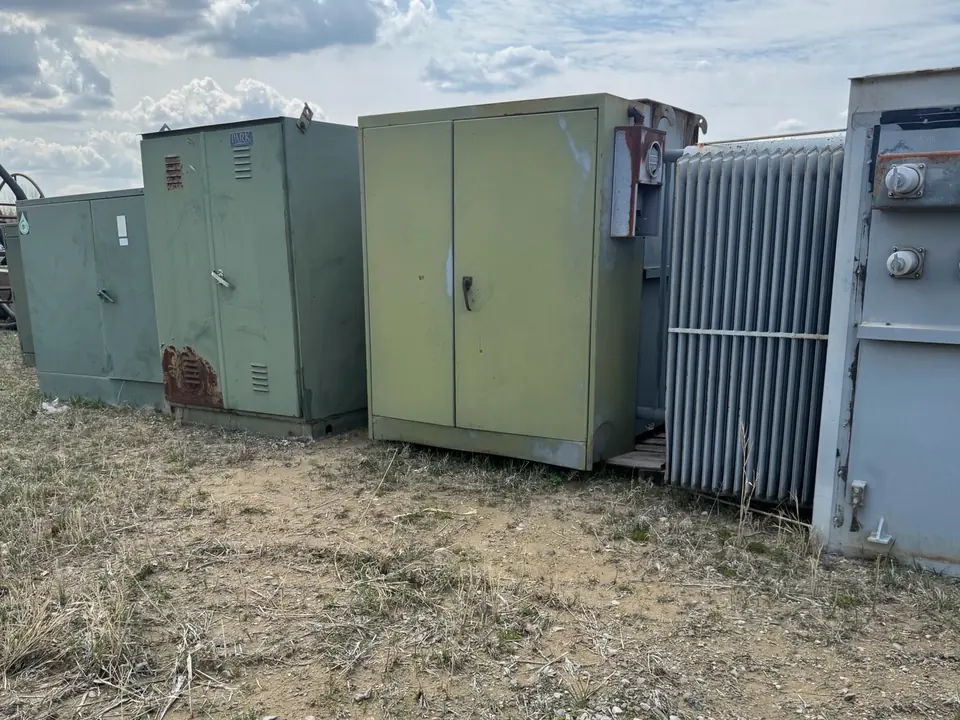
Who buys used transformers and what each buyer needs
The right buyer depends on whether a transformer can return to service, needs repair or has value mainly as material. A working unit with readable specifications deserves a resale assessment before you commit to scrapping it. Failed equipment may still interest specialist buyers or rebuilders.
Prepare one information package and give it to each prospective buyer. Comparable details help you distinguish a genuine equipment offer from a rough estimate that could change after inspection.
- Include a readable nameplate showing kVA or MVA, the transformer’s apparent-power rating, plus primary and secondary voltage—the incoming and outgoing voltage.
- Provide overall photos, quantity, location, condition and any available service or test records.
- Describe access, lifting constraints, equipment dimensions and whether the transformer is still connected.
Specialist transformer buyers and surplus dealers
Specialist buyers evaluate transformers as equipment rather than simply as metal. Surplus dealers generally look for units they can resell, although their accepted sizes, conditions and brands vary. Nearby used transformer buyers can be convenient, but equipment fit and freight arrangements matter more than distance alone.
Resale interest depends on voltage, phase, capacity, configuration and condition. Impedance, the transformer’s opposition to current flow, can also matter when matching a replacement or planning parallel operation. A unit that works correctly may still have a narrow market because its specifications suit relatively few installations.
Ask whether an offer is for direct purchase or only an estimate pending inspection. Read how used transformer value is evaluated before comparing bids, and use a transformer nameplate reading guide if important fields are unfamiliar.
- Confirm which units the buyer accepts and whether the offer covers the entire lot.
- Ask what testing, inspection or documentation is required before the price becomes firm.
- Identify who pays for freight, rigging and loading, rather than assuming pickup includes every removal cost.
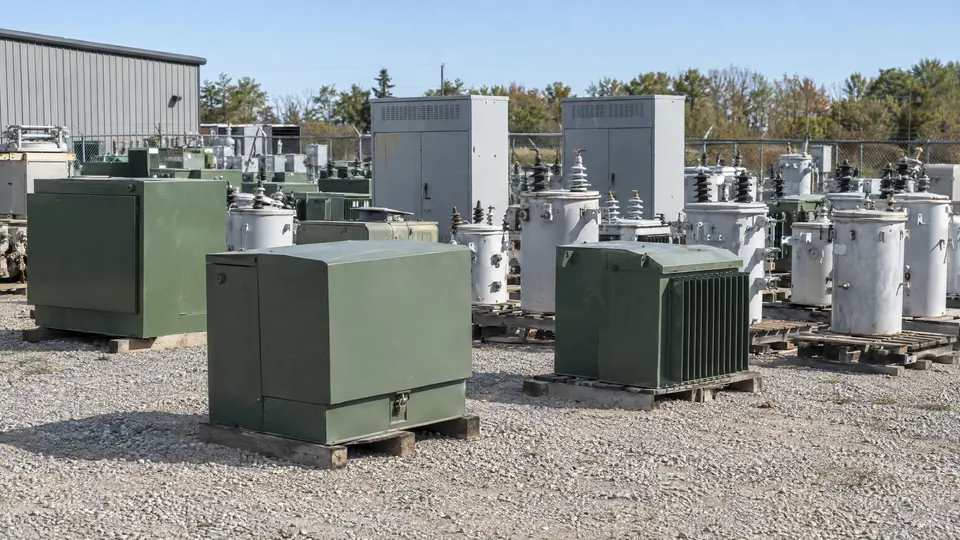
Scrap yards and oil-filled transformer restrictions
Scrap yards usually value recoverable metals rather than the transformer’s usefulness as electrical equipment. That can make scrap appropriate for some damaged or obsolete units, but it can overlook resale or rebuilding potential. Compare scrap value with equipment resale value before choosing that route.
Many yards refuse oil-filled transformers because they are not set up to accept liquids, manage leaks or verify the oil’s status. PCB means polychlorinated biphenyls, chemicals historically used in some electrical insulating fluids. Missing records or uncertain fluid contents can complicate acceptance; age alone does not establish PCB status.
Call the receiving yard before moving anything. Ask about fluid acceptance, required documentation and preparation standards. Do not drain or dismantle equipment merely to satisfy an informal quote without first establishing how the fluid and remaining equipment will be handled.
- Get acceptance requirements before arranging transportation.
- Disclose leaks, fire damage and missing fluid records.
- Clarify deductions, excluded materials and whether the quoted basis applies to the complete unit.
Online auctions and consignment sales
An auction can expose equipment to several bidders, while consignment lets another party market it on your behalf. The equipment may sell below expectations or remain unsold. Examine seller commissions, listing charges, storage costs and any fees owed if the equipment does not sell.
Timing includes more than the bidding period. Catalog preparation, inspections, payment processing and removal can extend the schedule. If a site must be cleared by a fixed date, check whether the sale terms provide a workable remedy when a buyer fails to collect.
Write the listing around verified specifications and condition, not assumptions about performance. Define loading responsibility, removal deadlines, site access and damage responsibility. Clear transformer listing photos help bidders assess the equipment and reduce avoidable disputes.
- Calculate expected net proceeds after all seller-side fees and handling costs.
- Confirm who handles bidder questions, inspection appointments and nonpayment.
- Require a pickup plan that fits the site’s safety rules and available loading equipment.
Brokers and rebuilders
A broker connects a seller with another buyer and may earn a commission or margin. This can help with unusual equipment, but establish whether the broker is purchasing the transformer or arranging a sale. Identify the contracting party and who is responsible for payment and pickup.
Rebuilders assess whether a unit can be repaired economically and returned to service. Their interest may depend on winding condition, tank integrity, core damage, replacement-part availability and demand for that configuration. A failed transformer is not automatically rebuildable.
For oil-filled units, available DGA reports—dissolved gas analysis of insulating oil—may help explain operating history or a suspected fault. Share existing reports and describe what happened before failure. Do not characterize a unit as a simple repair unless that conclusion is supported.
- Ask whether the offer requires teardown or testing and who pays for it.
- Clarify any commission, exclusivity period or obligation if no sale occurs.
- Keep inspection permission separate from authorization to remove or dismantle the equipment.
Utilities and co-ops have limited buy-back options
Utilities and electric co-ops generally acquire equipment through their own purchasing standards and approved processes. A privately owned transformer may not match their voltage system, construction requirements or documentation needs. There is no universal buy-back program for equipment previously connected to their service.
Check ownership before approaching any buyer. A transformer located on your property may belong to the serving utility, a landlord or another party. Check purchase records, service agreements and equipment schedules rather than relying on location alone.
If the unit is utility-owned, contact that utility about retirement or removal. For customer-owned equipment, you can ask whether the utility has a purchasing channel, but do not make project timing depend on an assumed buy-back.
- Confirm ownership and authority to sell.
- Ask the utility directly about purchasing eligibility rather than assuming acceptance.
- Keep service coordination separate from the equipment sale.
Choose a route for surplus, used or failed equipment
Match the selling method to condition, documentation and your clearance deadline. New surplus often deserves assessment by equipment buyers and dealers first. Used working equipment benefits from service records, while failed units need an accurate fault description and clear handling information.
Compare the amount you expect to receive after fees and removal costs, not just the headline bid. A direct offer with defined freight responsibilities may be easier to execute than a larger auction estimate with uncertain collection.
- New surplus: provide storage history, packaging condition and available factory documents; verify whether any warranty is transferable rather than assuming it is.
- Used working: provide operating history, available tests and the reason for removal.
- Retired but untested: distinguish last-known operating condition from present condition.
- Failed: disclose the failure event, visible damage, leaks and any diagnostic findings.
- Mixed lots: identify each unit separately so usable equipment is not valued solely as scrap.
Compare written terms before arranging removal
When deciding who buys used transformers on terms that work for your project, look beyond the offer amount. Identify inspection conditions, payment terms, freight responsibility and load-out requirements. An unclear removal plan can create costs or delays even when the price looks attractive.
To sell used electrical transformers safely, have the seller’s qualified electrical contractor handle de-energizing and disconnection. Freight collection is not electrical isolation. Confirm the equipment is ready for removal and that lifting and access arrangements match its weight and dimensions.
- Record the agreed equipment list, price and any permitted deductions.
- Define payment terms and when ownership transfers.
- Assign responsibility for rigging, loading, trucking and site damage.
- Document the pickup plan and any conditions that could change the agreement.
Get an offer from Texas Transformer Buyers
Texas Transformer Buyers buys single units and whole lots statewide, including any brand, new in crate, used, working or failed. Based at 6402 McGrew St, Houston, TX 77087, we buy equipment from 10 kVA pole-mounts to large MVA substation and power transformers.
For sellers comparing transformer buyers in Texas, start by sending a nameplate photo, overall photos, quantity, location and condition. Call or text (951) 403-5738, email Industrial832@gmail.com, or request an offer on your transformer. We review what you send and come back with an offer.
Nothing is loaded until the price, payment terms and pickup plan are confirmed in writing. You or your qualified electrical contractor must de-energize and disconnect the equipment; we coordinate trucking, pickup and load-out with you.
Frequently asked questions
Who buys used transformers that no longer work?
Specialist buyers, rebuilders and some scrap buyers consider failed units. Acceptance depends on specifications, damage, fluid status and handling requirements. Provide the failure history rather than describing the equipment only as used.
Should I get a scrap quote first?
You can obtain one for comparison, but seek an equipment offer before committing to scrap. Working, surplus and some failed transformers may have resale or rebuilding value beyond their recoverable metals.
Can I sell a transformer without test reports?
Yes, some buyers evaluate equipment without them. Clearly state that testing is unavailable and provide the nameplate, photos and known history. The buyer may require inspection or testing before finalizing an offer.
Does an auction buyer handle pickup?
Only if the sale terms assign that responsibility. Define loading, rigging, transportation and collection deadlines separately. Buyer pickup does not necessarily mean the buyer supplies lifting equipment or disconnects the transformer.
Can I sell a transformer still connected at my facility?
You can discuss a sale while it remains connected, but removal requires proper de-energizing and disconnection. Establish ownership, arrange a qualified electrical contractor and coordinate the outage before committing to a pickup plan.