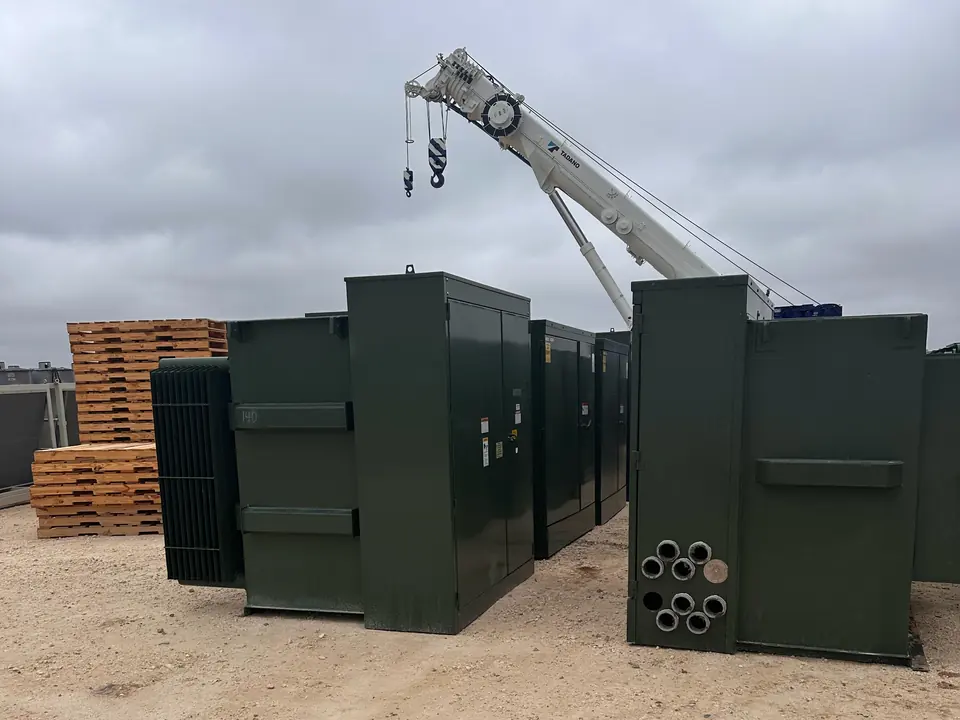
What drives demand for used transformers in Texas
A transformer changes voltage so electricity can move efficiently through a system and reach equipment at the voltage it needs. Distribution transformers serve buildings and local loads; larger power transformers connect major parts of transmission and substation systems.
Extended factory schedules have made existing equipment worth a closer look. Growing electrical loads, renewable projects, and reliability upgrades can put several buyers after similar equipment. A serviceable used unit may offer an alternative when its specifications match the job.
That does not mean every old transformer is readily marketable. Demand attaches to usable specifications, documented condition, and a workable delivery plan—not simply to the fact that a unit is available.
New equipment lead times complicate project schedules
Many buyers of new distribution and power transformers have faced extended delivery schedules. Supply-chain disruptions, manufacturing capacity constraints, demand for electrical steel and other components, and competing orders have contributed. Conditions vary by manufacturer, design, and order size.
A transformer shortage is not uniform across every equipment category. A standard distribution unit and a custom power transformer can have very different availability. Buyers should verify current factory schedules rather than assume that an older industry estimate still applies.
Long transformer lead times can delay energizing a building, expanding a plant, or replacing failed equipment. Used and new-surplus units may shorten procurement, but inspection, testing, engineering approval, transportation, and installation still take planning.
Availability alone is not enough. Changing a project design to accommodate the wrong transformer can erase the benefit of finding equipment sooner.
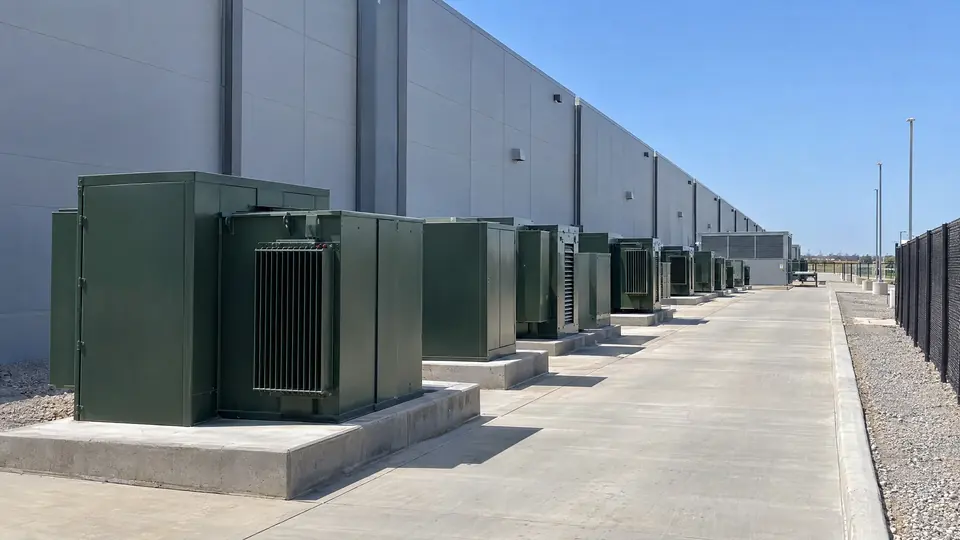
Texas load growth creates several kinds of buyers
Texas population growth adds homes, schools, commercial buildings, water infrastructure, and other electrical loads. Industrial expansion adds another layer: manufacturing facilities may need substantial capacity for motors, process equipment, cooling, and production lines.
Data centers bring concentrated loads and demanding reliability requirements. Their projects can require multiple transformers, although a used unit must still satisfy the site's engineering, protection, and operating standards. Demand from large projects can also affect availability for smaller buyers.
Oil and gas electrification can increase demand where operators replace engine-driven equipment or add electrically powered pumps and compression. Crypto mining facilities also use substantial electrical capacity, but their purchasing activity can shift with economics, site access, and available power.
These sectors do not all want the same equipment. Voltage, capacity, configuration, and project timing divide a broad market into narrower groups of suitable buyers.
Renewable construction and reliability work add pressure
Solar and wind projects need transformers to connect generation equipment to collection systems and the grid. A step-up transformer raises voltage for that connection. The page on step-up transformer buyers covers a relevant equipment category for generation-site sellers.
Battery storage projects also require voltage conversion and interconnection equipment. Renewable and storage applications can have specific duty, grounding, protection, and design requirements. A general-purpose surplus transformer is not automatically an acceptable substitute.
After Winter Storm Uri in February 2021, Texas reliability planning placed greater emphasis on weather preparedness and resilient infrastructure. Weatherization, replacement work, and grid-hardening projects can involve transformer procurement, although hardening also includes work unrelated to transformers.
Used equipment may support a temporary installation, replacement plan, or selected upgrade. Utilities and project engineers determine acceptability; a seller should not assume that age or availability overrides those requirements.
Who buys used units and what makes a match
Potential buyers include industrial facilities, electrical contractors, equipment dealers, developers, and some utility or co-op operations. Reasons vary: replacing a failed unit, supporting an expansion, building a spare inventory, or bridging a gap before permanent equipment arrives.
The guide to who buys used transformers helps sellers understand these different purchasing needs. Across buyer types, a clear nameplate and condition history usually matter more than a broad claim that the transformer worked when removed.
- Capacity: kVA means kilovolt-amperes; MVA means megavolt-amperes. These ratings describe apparent-power capacity. Suitability also depends on the load and operating conditions.
- Voltage and phase: primary voltage is the input voltage; secondary voltage is the output. Phase, frequency, and winding connections must also match the application.
- Impedance: this affects voltage behavior and available fault current, making it important for protection studies and units intended to operate together.
- Connection layout: dead-front equipment uses insulated cable connections rather than exposed energized connections; loop-feed arrangements accommodate incoming and outgoing distribution cables.
- Cooling and condition: confirm the nameplate rating, cooling arrangement, leaks, damage, missing parts, and available service or test records.
What stronger demand means for surplus sellers
Demand for used transformers in Texas gives sellers a reason to evaluate equipment before treating it only as scrap. A complete, suitable unit may interest a reuse buyer, while damaged or incomplete equipment may have a different recovery path. Neither outcome follows from weight alone.
The resale-versus-scrap comparison explains why those routes should be evaluated separately. For reuse, buyers consider specifications, condition, documentation, transport requirements, and the cost of making equipment ready for its next application.
Uninstalled inventory deserves attention too. A transformer stored in a crate may still need confirmation of specifications, storage conditions, and completeness. The new-surplus transformer page is useful if your inventory was purchased for a canceled or redesigned project.
When you decide to sell surplus transformers, group units by type and identify each one individually. A mixed lot is easier to assess when photos and records clearly correspond to specific assets.
Build a useful equipment file before seeking offers
Good documentation reduces uncertainty and helps a buyer determine whether further inspection is worthwhile. Start with information already available; do not open compartments or approach energized equipment just to improve a sales photo.
For oil-filled units, available oil-test reports can provide useful context. DGA, or dissolved gas analysis, examines gases in insulating oil that can indicate internal problems. PCB, or polychlorinated biphenyl, records address a separate material concern and should not be confused with ordinary condition testing.
- Photograph the full nameplate, the entire unit from accessible sides, and any visible damage, leaks, bushings, gauges, or missing components.
- Record quantity, exact location, identifying asset numbers, operating status, and whether the equipment is installed, disconnected, or stored.
- Include known removal dates, reasons for retirement, maintenance records, electrical test reports, and available oil or PCB documentation.
- Describe access: pavement or gravel, gates, overhead restrictions, loading space, and any known lifting or transport information.
- State what is unknown. Do not label equipment tested, operational, or PCB-free without supporting information.
Time a sale around readiness, not market headlines
A useful time to begin evaluating a sale is when equipment becomes genuinely surplus and its release date is reasonably clear. Waiting can add storage costs, expose equipment to weather, and separate it from records or employees who know its history.
For installed equipment, start the commercial discussion before removal, but make the availability date explicit. If a unit remains an essential spare, compare the benefit of selling with the operational risk of losing it. Market demand does not replace a facility's contingency plan.
For a shutdown or redevelopment, coordinate the sale with electrical isolation, site access, demolition sequencing, and lifting arrangements. The transformer selling checklist provides a practical framework for preparing that handoff.
An attractive offer is only part of the decision. Compare written payment terms, responsibility for loading, freight arrangements, and the proposed equipment condition at transfer.
Get an offer from Texas Transformer Buyers
Texas Transformer Buyers buys new surplus, used, retired, and failed transformers statewide from its Houston yard and office at 6402 McGrew St, Houston, TX 77087. We buy single units or whole lots, any brand, from 10 kVA pole-mounts to large MVA substation and power transformers.
Send a nameplate photo, overall photos, quantity, location, and condition through the transformer offer form. You can also call or text (951) 403-5738 or email Industrial832@gmail.com. We assess those details and respond with an offer.
Price, payment terms, and pickup details are agreed in writing before anything is loaded. You or your qualified electrical contractor must de-energize and disconnect the equipment; we coordinate trucking, pickup, and load-out with you.
Frequently asked questions
Does strong demand mean any used transformer will sell for reuse?
No. Reuse depends on specifications, condition, documentation, and the buyer's application. A common voltage combination may appeal to different buyers than a specialized design, while damage or missing components can change the likely recovery route.
Can used equipment always replace a delayed new transformer?
No. Engineers must confirm electrical compatibility, protection requirements, physical clearances, and applicable project standards. Testing or repairs may also be needed. A unit available now is not necessarily ready to energize.
Should I obtain testing before requesting an offer?
Share existing records first and describe any known problems. Ask the prospective buyer what additional information would materially affect evaluation before commissioning tests solely for a sale.
Is a failed transformer still worth offering?
Yes. Failed equipment can still interest a buyer, but its condition must be described accurately. Include the known failure circumstances, visible damage, missing parts, and any inspection findings rather than presenting it as serviceable.
Should I sell before removing the transformer?
You can begin discussions while it is installed. Identify when it will be available and who will handle electrical disconnection. Early coordination can help align removal, loading access, and transport without disrupting ongoing operations.
Will demand for used transformers in Texas stay strong?
Demand will vary by equipment type, factory availability, and project activity. Sellers should evaluate current offers and their own storage or operational needs rather than assume that today's procurement conditions will continue indefinitely.