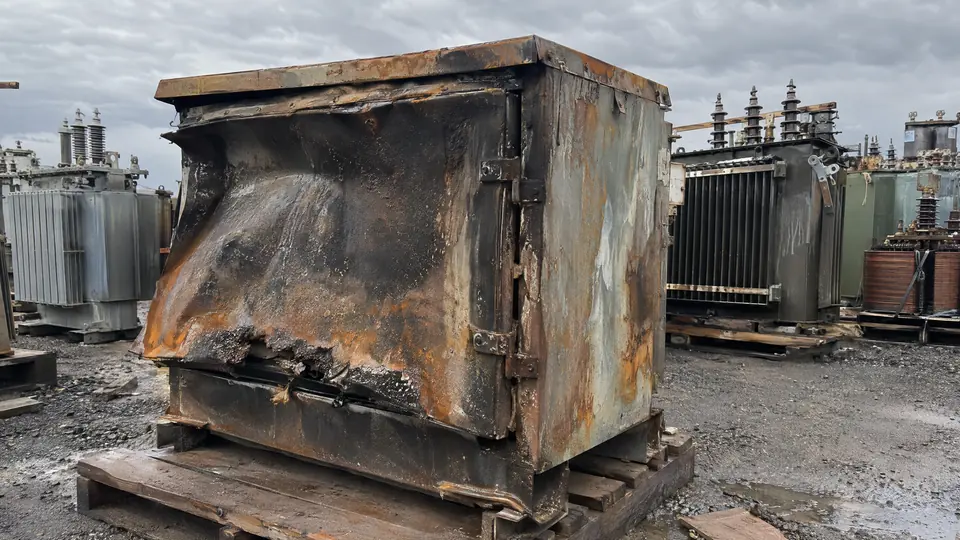
What determines transformer scrap value
A transformer’s gross weight is not its recoverable metal weight. The total can include insulating oil, a steel tank, core steel, copper or aluminum windings, insulation, bushings and other components. Each material has a different recovery value and processing cost.
Electrical transformer scrap value depends on the recoverable materials, current metal markets, condition, documentation and the work required to handle the unit safely. Trucking, lifting, oil management and dismantling can materially affect an offer, especially for a single heavy unit far from a processing facility.
Compare offers on the same basis. An offer for the complete unit at your site is different from a metal-only estimate that assumes you have already drained, dismantled and delivered it. Ask who pays freight, supplies loading equipment and handles any documented oil-management requirements.
- Confirm whether the offer covers the intact transformer or separated materials.
- Identify any deductions for freight, loading, oil handling or missing documentation.
- Compare the net amount you receive, not just a quoted weight or metal rate.
What is inside a transformer
Windings are the conductors wrapped around the magnetic core. They may be copper or aluminum, and the nameplate does not always identify which. Do not assume the winding material from the unit’s age, brand, exterior appearance or total weight.
The core is usually laminated electrical steel, while the tank and structural parts contain additional steel. Copper transformer scrap may have greater material value than comparable aluminum-bearing scrap, but the amount of recoverable conductor matters more than simply identifying copper somewhere in the assembly.
Oil-filled units also contain insulating liquid, which provides electrical insulation and carries heat away from internal components. Some transformers use mineral oil; others use different insulating fluids. Dry-type transformers have no liquid-filled tank, but still contain insulation and nonmetal components that affect recovery.
A nameplate helps identify the equipment before anyone considers dismantling it. Use the guide to reading a transformer nameplate to locate ratings, serial information, weight and fluid information where provided. Avoid opening the tank or removing covers just to investigate its scrap content.
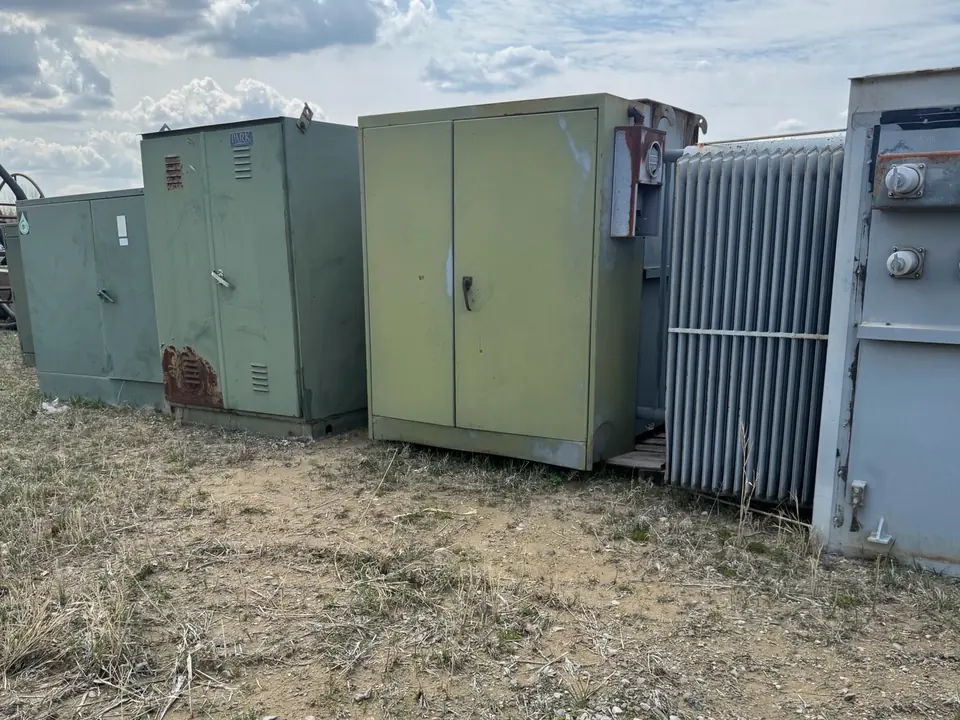
Why working units usually have more resale potential
A working transformer can have value as usable electrical equipment rather than as raw materials. Keeping it intact preserves that opportunity. Cutting cables unnecessarily, removing bushings or draining fluid before evaluation can make a serviceable unit harder to assess or resell.
Resale depends on specifications and condition, not simply whether the transformer worked when removed. Buyers consider kVA, or kilovolt-amperes, which describes apparent-power capacity; larger units may be rated in MVA, or megavolt-amperes. Primary and secondary voltages identify the input and output voltage ratings.
Phase, frequency, impedance, connections and physical configuration also matter. Impedance describes how much the transformer limits current and influences voltage regulation and fault current. A unit with useful ratings, sound bushings, intact accessories and credible operating records generally has stronger resale potential than an undocumented unit of similar size.
Document the reason for removal: a facility closure, capacity upgrade or project cancellation tells a different story from an internal fault. Recent electrical tests and maintenance records help establish condition, but suitability for another installation requires an assessment of the equipment and the intended application.
- Keep the nameplate, bushings, gauges, radiators and connection hardware intact.
- Collect available test reports, maintenance history and the removal date.
- Describe known problems accurately instead of labeling an untested unit as working.
When scrap or core value is the practical route
A transformer may be a scrap candidate when severe damage makes reuse impractical, essential components are missing, or repair costs exceed its likely equipment value. Burned windings, a damaged core or major tank damage can push the evaluation toward material recovery.
Failed does not automatically mean worthless. Some units may still interest a repair buyer or have usable components. A core offer generally means an offer for equipment intended for rebuilding or recovery, but buyers use the term differently; ask exactly what the offer assumes.
Unknown condition is also different from confirmed failure. If the transformer has been sitting disconnected, provide its storage history and any evidence of leaks, corrosion or water entry. Let the buyer evaluate the complete unit before authorizing destructive inspection.
For equipment already known to be damaged or retired, a scrap-transformer evaluation can establish whether an intact-unit offer makes more sense than arranging separate metal recovery.
Oil handling and PCB documentation
Do not treat transformer oil as ordinary waste oil. Its handling depends on the fluid, contamination status and applicable requirements. PCB means polychlorinated biphenyls, a group of chemicals historically used in some electrical equipment and regulated because of their environmental and health risks.
Age alone does not establish PCB status, and a missing label is not proof that the oil is PCB-free. Look for original labels, fluid records and laboratory reports tied to the specific unit. Under federal rules, many PCB requirements hinge on concentration, with 50 parts per million being an important threshold; assumptions, classifications and exceptions also matter.
If documentation is incomplete, have a qualified provider determine whether sampling or additional assessment is needed. Read the guide to PCB labels and transformer oil testing before planning transport, drainage or disposal. A buyer’s willingness to evaluate equipment does not replace environmental compliance.
Keep oil in its intended containment unless qualified personnel have an approved handling plan. Never discharge it onto the ground, into a drain or into an unidentified waste-oil container. For an active leak, involve qualified personnel and evaluate containment and any applicable reporting obligations.
Why scrap yards may reject oil-filled transformers
Many yards are set up to process metal, not receive liquid-filled electrical equipment. Oil creates spill risk, adds nonmetal weight and may require documentation or handling arrangements outside the yard’s normal operations. Uncertain PCB status creates an additional acceptance issue.
Call before transporting the unit. A yard might accept documented drained equipment, accept only certain types, or decline transformers entirely. Draining alone does not necessarily establish acceptable PCB status or remove contamination from internal materials.
Ask about intact-unit acceptance, required records, residual-fluid limits and loading arrangements. Do not drain a transformer simply because you assume every yard requires it; that could create extra work and eliminate a potential resale option. An oil-filled transformer buyer provides another route to evaluation before dismantling.
Build an offer package before moving the unit
A useful offer request shows what the transformer is, where it sits and what moving it will require. Clear photographs often answer more questions than a description such as old industrial transformer. Photograph safely from accessible positions without entering energized equipment.
Follow the transformer photo checklist for nameplate and overall views. Add close-ups of visible damage, leaks and missing components, plus a view showing truck access and the loading area.
- Equipment details: readable nameplate, quantity, type, ratings and approximate dimensions or documented weight.
- Condition: working when removed, failed, untested, unused or incomplete, with known defects described.
- Oil records: fluid identification, PCB labels and any available laboratory reports.
- Site details: location, access restrictions, loading equipment and any removal deadline.
Get a resale, scrap or core offer in Texas
Texas Transformer Buyers buys single units and whole lots statewide, including new surplus, used, retired and failed transformers of any brand. Equipment ranges from 10 kVA pole-mounts to large MVA substation and power transformers, new in crate or used, working or failed. Our base of operations is 6402 McGrew St, Houston, TX 77087.
Send a nameplate photo, overall photos, quantity, location and condition through the transformer offer form. You can also call or text (951) 403-5738 or email Industrial832@gmail.com. We evaluate those details and respond with an offer.
Price, payment terms and pickup details are agreed in writing before anything is loaded. The seller or the seller’s qualified electrical contractor must de-energize and disconnect the equipment; we coordinate trucking, pickup and load-out with the seller.
Frequently asked questions
Are old transformers worth anything?
Yes, they can have resale, rebuilding, parts or material value. Age by itself does not determine the outcome. Specifications, condition, documentation and transport costs matter more than calling a unit old.
Do scrap yards take transformers?
Some do, but acceptance policies vary. Oil-filled equipment often requires additional documentation and handling arrangements. Confirm the yard’s requirements before loading or draining a unit.
Can I estimate transformer scrap value from total weight?
Total weight is a starting point, not a reliable payout calculation. Oil, insulation and steel may account for substantial weight, while the recoverable copper or aluminum portion remains unknown.
Should I remove the copper before requesting an offer?
Usually, request an intact-unit evaluation first. Dismantling can destroy resale or rebuilding potential and creates electrical, lifting and fluid-handling hazards. A higher metal rate does not necessarily mean a higher net return.
Does a failed transformer still qualify for an offer?
It may. Describe the failure and provide photographs and available test reports. Buyers can then evaluate rebuilding, component recovery or scrap options without assuming the unit is reusable.
Is an oil test the same as a condition test?
No. A PCB test addresses PCB concentration. Other oil tests assess different properties; DGA, or dissolved gas analysis, examines gases that can indicate internal problems. None replaces a complete electrical condition assessment.